
Puja niyam (rules of worship)
Traditional rules for vrat, puja, tulsi, Shivling, shraddh and eclipses — what to do and what not to do, in simple English.
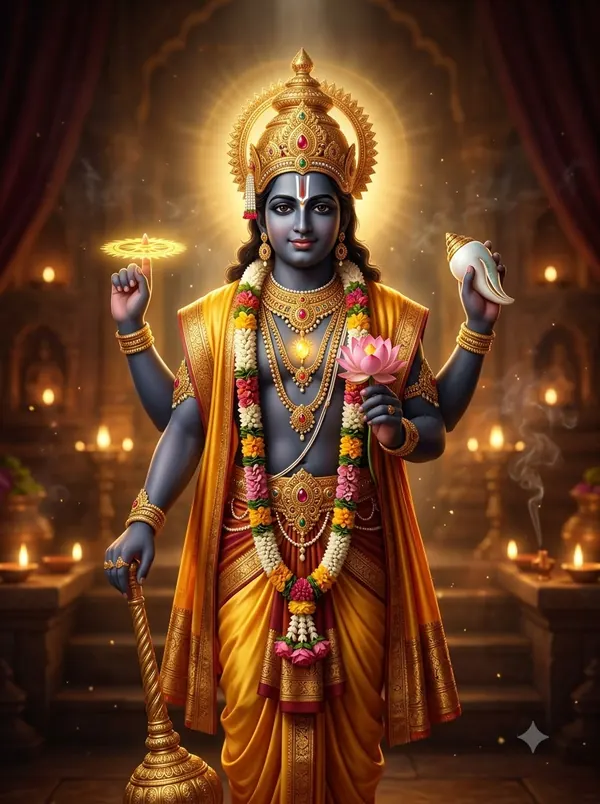
- Ekadashi vrat niyamDos, don'ts and what to eat
- What to offer on the Shivling and what not toWater, bel leaves and forbidden things
- Tulsi niyamWhen not to pluck it, how to worship
- Pitru Paksha niyamDos and don'ts in shraddh
- Navratri vrat niyamDos and don'ts for 9 days
- Sawan Monday vrat niyamPuja vidhi and what to avoid
- Karwa Chauth vrat niyamFrom sargi to parana
- Dos and don'ts on DiwaliLakshmi Puja niyam
- Shani Dev puja niyamWhat to do on Saturday
- Eclipse niyamDos and don'ts during sutak
Frequently asked questions
What are the Ekadashi vrat niyam?
Rice and grains are not eaten on Ekadashi, satvik food is taken from the night of Dashami, and parana is done the next day on Dwadashi. Puja of Lord Vishnu, jaap and katha during the day have special importance. Read all the niyam
What should and should not be offered on the Shivling?
Water, milk, bel leaves, dhatura, bhang, aak flowers and sandal are offered on the Shivling. By tradition, tulsi, ketaki flowers, turmeric, kumkum (sindoor) and water from a conch are not offered on the Shivling. Read all the niyam
What are the tulsi niyam?
By tradition, tulsi leaves are not plucked on Sunday, Ekadashi, Amavasya, during an eclipse or after sunset. Tulsi is given water every morning and a diya every evening, and tulsi is not offered in the puja of Shiva ji and Ganesh ji. Read all the niyam
What are the Pitru Paksha niyam?
In the 16 days of Pitru Paksha (shraddh), tarpan, shraddh and daan are done for the ancestors. In these days auspicious work like weddings, griha pravesh and new purchases, and tamasic food, are avoided. Read all the niyam
What are the Navratri vrat niyam?
In Navratri, kalash sthapana is done on the first day and the nine forms of Maa Durga are worshipped for nine days; an akhand jyoti is lit and satvik food or phalahar is taken. Onion-garlic, grains (for those fasting), cutting hair and nails, and tamasic things are avoided. Read all the niyam
What are the Sawan Monday vrat niyam?
On Sawan Monday, after the morning bath, water, milk, bel leaves and dhatura are offered on the Shivling, 'Om Namah Shivay' is chanted and Somvar Vrat Katha is heard. In the vrat, phalahar is taken once in the day or satvik food in the evening. Read all the niyam