Hindu Kaal Chakra — the Time Machine of Sanatan Dharma
230 events from creation to the Kalki avatar — in the order of the yugas, with pictures. Spin the 3D wheel and travel through Sanatan history.
🕉️ Open the 3D Kaal Chakra
The Hindu Kaal Chakra — the time machine of Sanatan Dharma. Travel from the beginning of creation through Shri Ram, Shri Krishna, the Mahabharata, the Gita, the saints and the tirthas, all the way to the Kalki avatar and the return of Satya Yuga — on a turning 3D wheel, with pictures.
In the Sanatan tradition time moves in circles. One mahayuga holds four yugas — Satya, Treta, Dvapara and Kali Yuga. A thousand mahayugas make one day of Lord Brahma, a kalpa, and each kalpa has fourteen Manus. Our kalpa is the Shveta Varaha Kalpa, the manvantara is the Vaivasvata, and the Kali Yuga of the 28th mahayuga is running now — the very words spoken in the sankalpa of every puja.
Below, the events of each yuga are listed in order. Tap ‘See it on the Kaal Chakra’ on any event and the 3D wheel stops right on it. Holy names are written in Roman letters.
In the order of the yugas
- Creation, Kalpa and Manvantara (19)
- Satya Yuga (7)
- Treta Yuga (24)
- Dvapara Yuga (30)
- Kali Yuga (136)
- You are here — the prophecies ahead (the future of Kali Yuga and Kalki) (14)
Creation, Kalpa and Manvantara
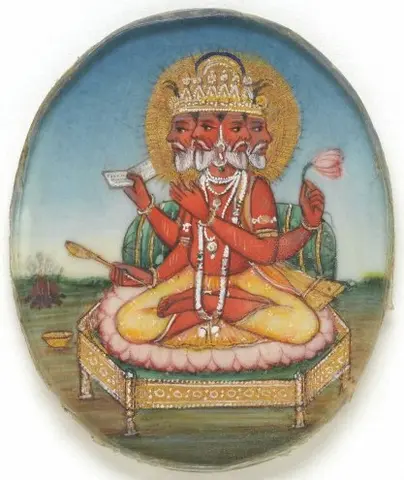
Beginning of the Shveta Varaha Kalpa
In the Puranas one kalpa is a single day of Lord Brahma — 4.32 billion years. The present kalpa is named after Lord Varaha, and we live in its seventh manvantara.
See it on the Kaal Chakra →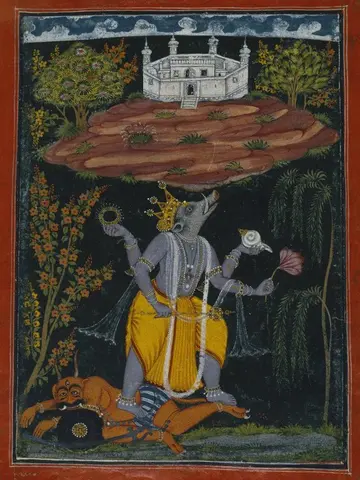
Varaha Avatar — Earth Rescued
Hiranyaksha dragged the Earth down to Rasatala. Lord Vishnu took the form of a boar, slew him, and lifted Bhudevi back into place on his tusks.
See it on the Kaal Chakra →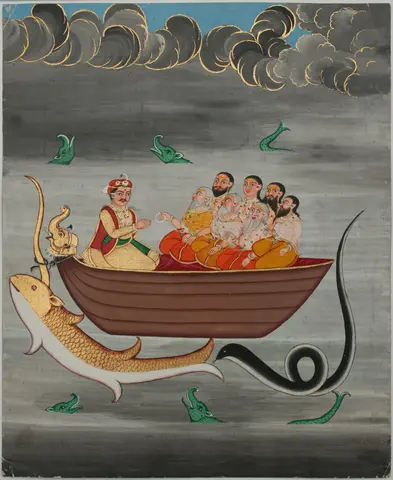
Svayambhuva Manu — the First Manu
Born of Lord Brahma, the first Manu and his wife Shatarupa began the human race. Uttanapada and Priyavrata were their sons.
See it on the Kaal Chakra →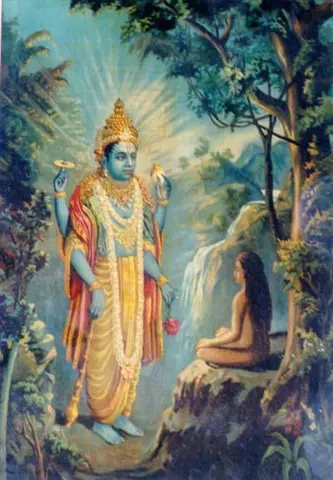
Dhruva's Penance — the Pole Star
Hurt by his stepmother's insult, the boy Dhruva did fierce penance in Madhuvan. Pleased, Narayana gave him an unmoving place in the sky — today's Pole Star.
See it on the Kaal Chakra →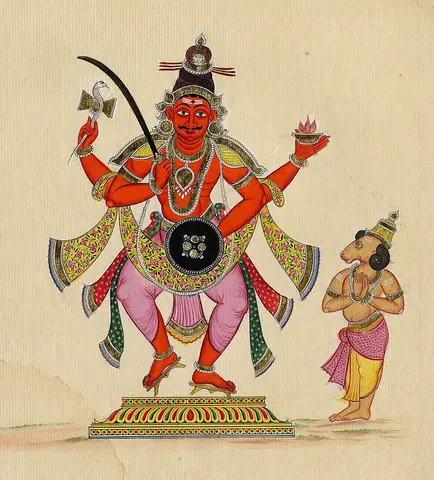
Daksha's Yajna and Sati's Sacrifice
When Daksha insulted Mahadev at his yajna, Sati gave up her body in yogic fire. Virabhadra destroyed the yajna; wherever Sati's body fell, a Shakti Peeth arose.
See it on the Kaal Chakra →Marriage of Shiva and Parvati
Sati was reborn as Parvati, daughter of Himavan, and through fierce tapas won Mahadev as her husband.
See it on the Kaal Chakra →Birth of Ganesha, the First-Worshipped
Parvati shaped a son from turmeric paste; Shiva revived him with an elephant head and made him the first to be worshipped.
See it on the Kaal Chakra →Kartikeya Slays Tarakasura
Tarakasura could die only by a son of Shiva; Kartikeya, born of Shiva's radiance, slew him and became commander of the gods.
See it on the Kaal Chakra →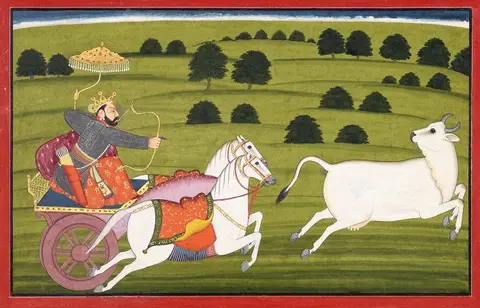
King Prithu Milks the Earth
When the Earth hid her grain, King Prithu milked her in the form of a cow to bring back food and herbs. The Earth is called "Prithvi" after him.
See it on the Kaal Chakra →Durga Slays Mahishasura
Born from the combined radiance of the gods, Mother Durga fought for nine days and slew Mahishasura.
See it on the Kaal Chakra →Markandeya and the Mahamrityunjaya
Destined to die at sixteen, Markandeya embraced the Shiva-linga; Mahadev stopped Yama and made him immortal.
See it on the Kaal Chakra →Gajendra Moksha
Caught by a crocodile, the elephant king called on the Lord; Shri Hari rushed on Garuda and freed him with the chakra.
See it on the Kaal Chakra →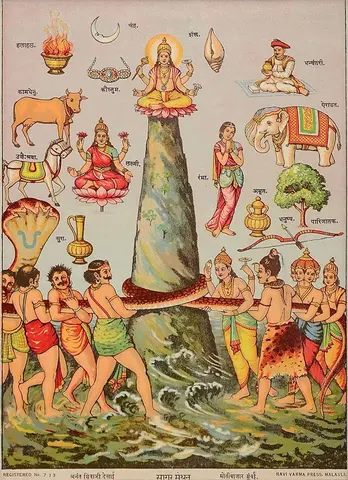
Samudra Manthan and the Kurma Avatar
Devas and asuras churned the Ocean of Milk with Mount Mandara as the rod and Vasuki as the rope. Lord Kurma held the mountain on his back, and fourteen treasures came out.
See it on the Kaal Chakra →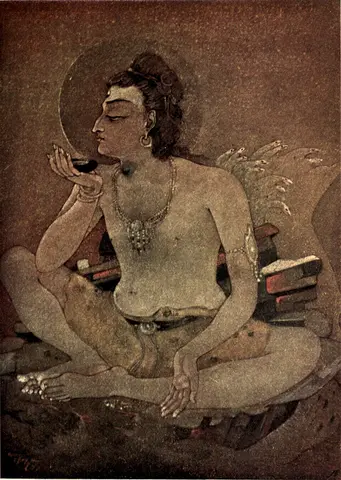
Mahadev Becomes Neelkanth
The Halahala poison from the churning began to burn all creation. Mahadev drank it and held it in his throat, and was called Neelkanth, the blue-throated one.
See it on the Kaal Chakra →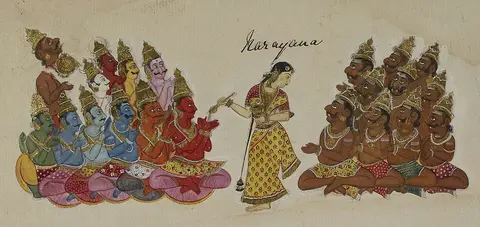
Mohini Avatar and the Story of Kumbh
As Mohini, Vishnu served the amrit to the devas. The four places where drops from the amrit pot fell are where the Kumbh Mela is held today.
See it on the Kaal Chakra →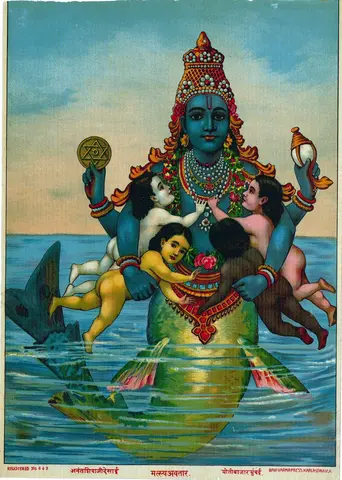
Matsya Avatar and the Great Flood
In the waters of the pralaya, Lord Matsya tied Manu's boat to his horn and saved it, protecting the Vedas and the Saptarishis.
See it on the Kaal Chakra →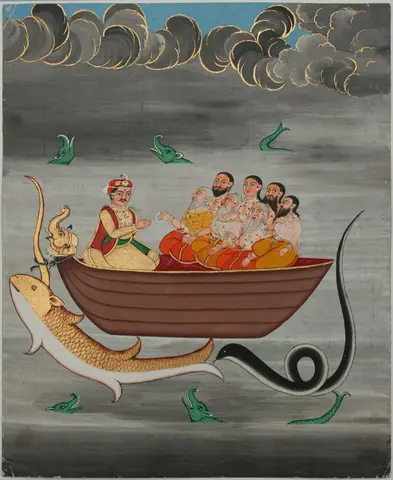
Beginning of the Vaivasvata Manvantara
The age of the seventh Manu, Vaivasvata Manu, began. This is the present manvantara.
See it on the Kaal Chakra →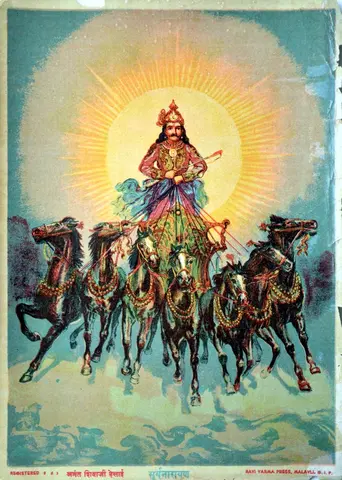
Ikshvaku and the Solar Dynasty
Vaivasvata Manu founded Ayodhya, and the Suryavansh (Solar Dynasty) began with his son Ikshvaku. Harishchandra, Bhagiratha and Shri Ram were later born in this line.
See it on the Kaal Chakra →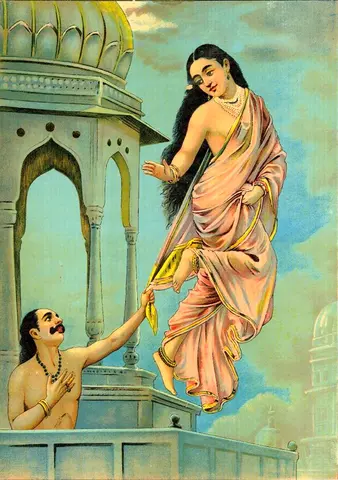
Pururava and the Lunar Dynasty
The Chandravansh began with Pururava, son of Budha and Ila. Yadu, Kuru, the Pandavas and Shri Krishna were born in this line.
See it on the Kaal Chakra →
Satya Yuga
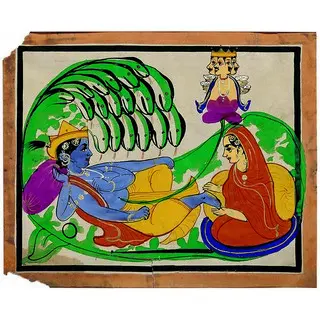
Beginning of Satya Yuga
The first yuga of the present, 28th mahayuga. Dharma stood on all four legs — truth, austerity, compassion and charity.
See it on the Kaal Chakra →Narada, the Divine Sage
With his vina and the name of Narayana, Devarshi Narada roamed the three worlds and set Dhruva, Prahlada and Valmiki on the path of devotion.
See it on the Kaal Chakra →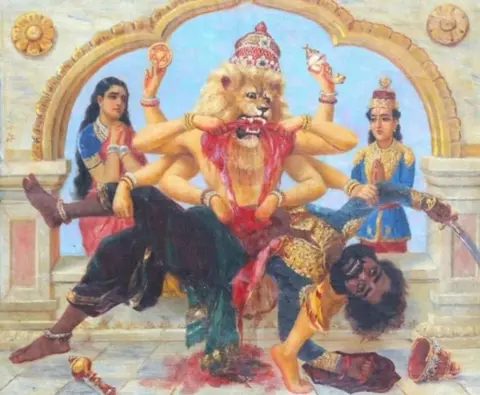
Narasimha Avatar — Prahlada Saved
Hiranyakashipu tried to kill his devotee son Prahlada. The Lord burst out of a pillar as Narasimha and slew him on the threshold at dusk.
See it on the Kaal Chakra →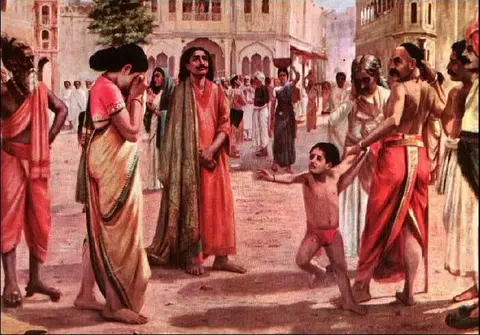
King Harishchandra's Test of Truth
To keep his word, Harishchandra gave up his kingdom, wife and son and became a servant at the cremation ground. Unshaken in truth, he became immortal.
See it on the Kaal Chakra →Savitri and Satyavan
Following Yama who had taken her husband's life, Savitri won Satyavan back through wisdom and devotion.
See it on the Kaal Chakra →Nachiketa and Yama
Young Nachiketa refused wealth and kingdoms and asked Yama the truth beyond death; this is the Katha Upanishad.
See it on the Kaal Chakra →Atri, Anasuya and the Birth of Dattatreya
The Trimurti, come to test Anasuya, became her sons; Dattatreya, born of Vishnu, is worshipped in three-faced form.
See it on the Kaal Chakra →
Treta Yuga
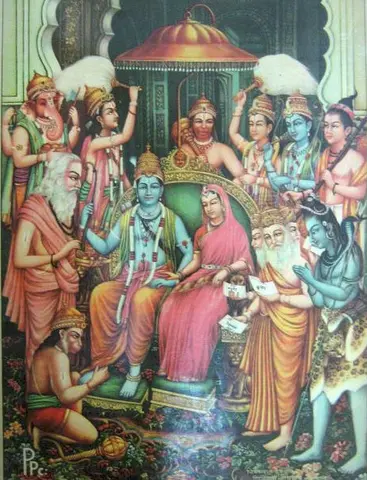
Beginning of Treta Yuga
Dharma now stood on three legs. This is the age of the Vamana, Parashurama and Shri Ram avatars.
See it on the Kaal Chakra →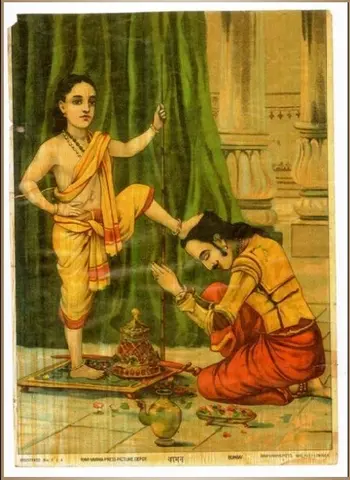
Vamana Avatar and King Bali
Vamana asked the generous King Bali for three steps of land and measured all the worlds in two. Bali offered his head for the third step and became king of Patala.
See it on the Kaal Chakra →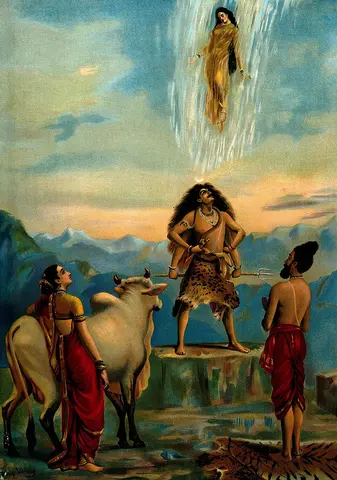
Bhagiratha Brings Ganga to Earth
To free his ancestors, Bhagiratha did hard penance. Mahadev caught Ganga's force in his matted hair, and Mother Ganga came down to Earth.
See it on the Kaal Chakra →Birth of Hanuman
Son of Kesari and Anjana, born by the blessing of Vayu, the child Hanuman leapt to swallow the sun thinking it a fruit.
See it on the Kaal Chakra →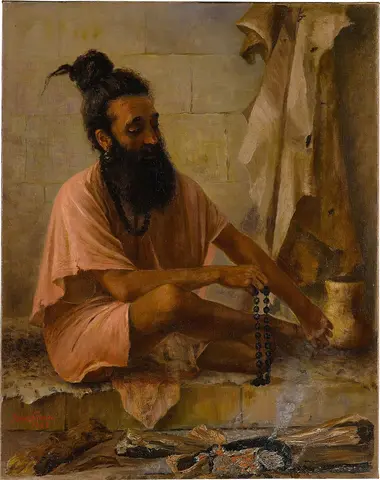
Vishwamitra Becomes a Brahmarshi
Defeated by Vasishtha, King Kaushika did penance for thousands of years. In the end Vasishtha himself called him Brahmarshi — he is the seer of the Gayatri Mantra.
See it on the Kaal Chakra →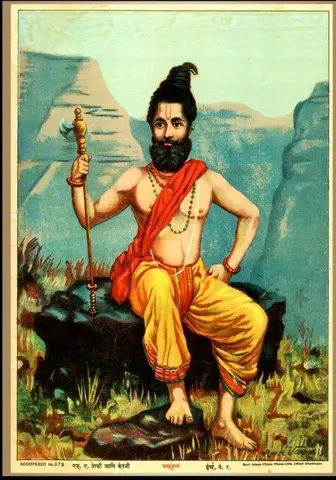
Parashurama Avatar
Parashurama, son of Jamadagni, destroyed the tyrant kings. Tradition says he raised the land of Konkan and Kerala from the sea.
See it on the Kaal Chakra →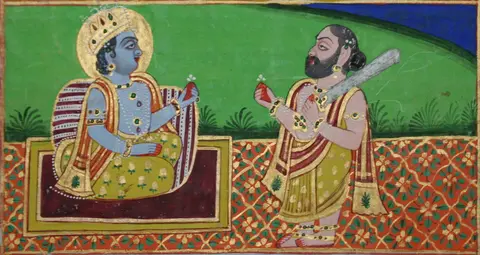
Sage Agastya Crosses the Vindhyas
Sage Agastya asked the ever-rising Vindhya mountain to bow and went south. He is honoured as the first teacher of South India's rishi tradition.
See it on the Kaal Chakra →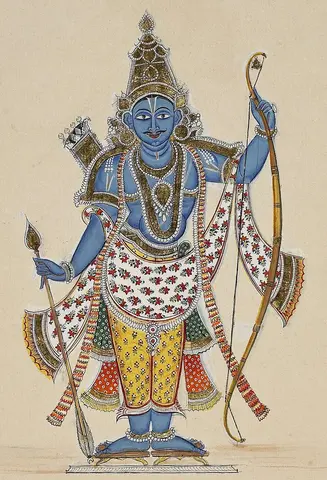
Birth of Shri Ram
On Chaitra Shukla Navami, Lord Vishnu was born as Shri Ram to King Dasharatha and Mother Kaushalya. Ram Navami is celebrated on this day.
See it on the Kaal Chakra →Rama Frees Ahalya
Ahalya, frozen in penance under a curse, was freed the moment Shri Ram arrived.
See it on the Kaal Chakra →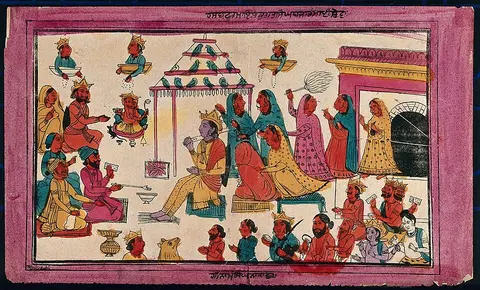
Sita Swayamvar
King Janaka's condition was to string Shiva's bow. When Shri Ram lifted it, the bow broke, and Mother Sita placed the wedding garland on him.
See it on the Kaal Chakra →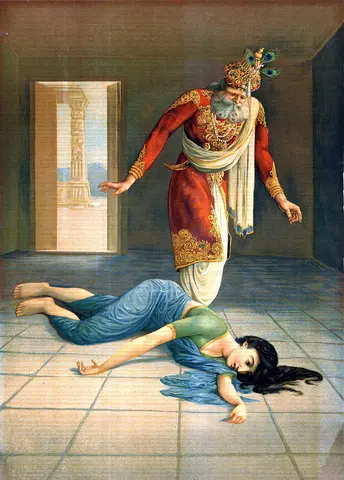
Shri Ram's Exile
Kaikeyi's two boons sent Ram into exile for fourteen years. Sita and Lakshmana went with him; Bharata ruled with Ram's sandals on the throne.
See it on the Kaal Chakra →The Ferryman Kevat
Before ferrying the Lord across the Ganga, Kevat washed his feet; asked for payment, he said, carry me across the ocean of life.
See it on the Kaal Chakra →Bharat Meets Rama: the Sandals
Bharat came to bring Rama back, returned with his sandals on his head, and ruled for fourteen years from Nandigram as a servant.
See it on the Kaal Chakra →Jatayu's Sacrifice
The aged vulture-king Jatayu fought Ravana as he carried off Sita; Rama performed his last rites as a son would.
See it on the Kaal Chakra →Shabari's Berries
Shri Ram lovingly ate the berries Shabari had tasted for him after waiting for years on her guru's word.
See it on the Kaal Chakra →Rama Meets Hanuman; Friendship with Sugriva
Hanuman, disguised as a brahmin, recognised the Lord; with fire as witness, Rama and Sugriva became friends.
See it on the Kaal Chakra →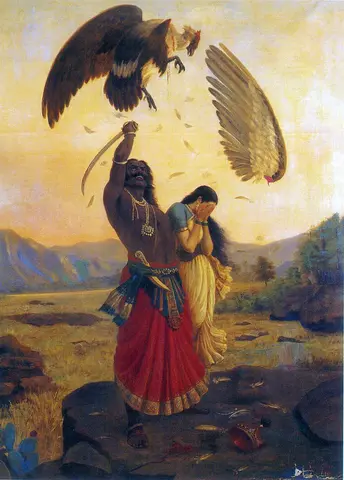
Sita Taken by Ravana
Using the trick of the golden deer to draw Ram and Lakshmana away, Ravana carried off Sita. Jatayu tried to stop him and died a hero's death.
See it on the Kaal Chakra →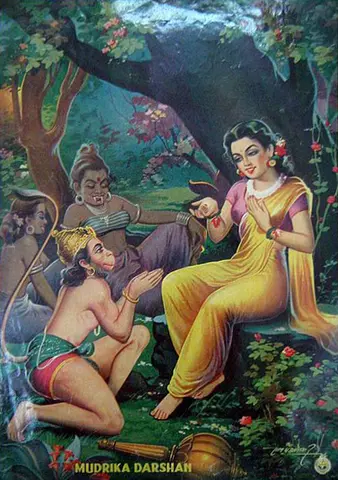
Hanuman's Leap to Lanka
Hanuman leapt across the ocean, gave Ram's ring to Mother Sita in the Ashoka Vatika, and set Lanka on fire.
See it on the Kaal Chakra →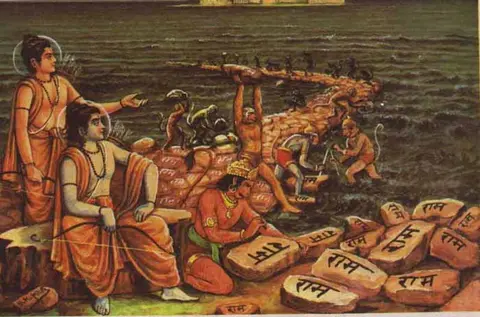
Building of Ram Setu
Led by Nala and Nila, the vanara army built a bridge over the sea with stones marked with Ram's name. At Rameswaram, Shri Ram installed a Shivalinga.
See it on the Kaal Chakra →Lakshmana Revived by the Sanjivani
When Lakshmana fell to Meghnad's weapon, Hanuman carried back a whole mountain and the Sanjivani herb saved him.
See it on the Kaal Chakra →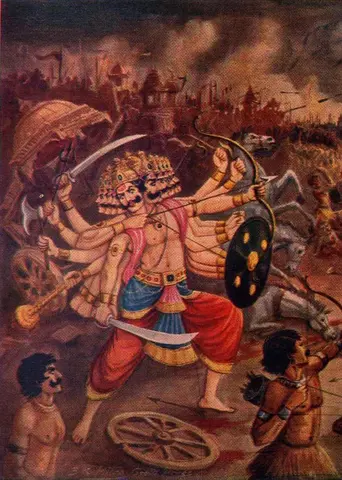
The End of Ravana
After a fierce war, Shri Ram killed Ravana. This victory of dharma over adharma is celebrated on Dussehra.
See it on the Kaal Chakra →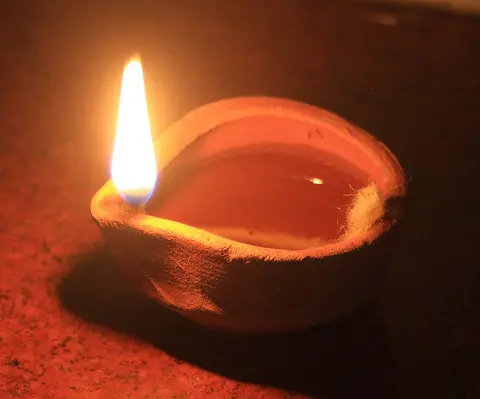
Shri Ram's Return and Ram Rajya
When Shri Ram returned to Ayodhya after the exile, the people lit lamps — the tradition of Deepavali. His reign is remembered as the ideal Ram Rajya.
See it on the Kaal Chakra →Lava and Kusha
Born at Valmiki's ashram, Sita's sons Lava and Kusha sang the Ramayana before their father Shri Ram at his ashvamedha.
See it on the Kaal Chakra →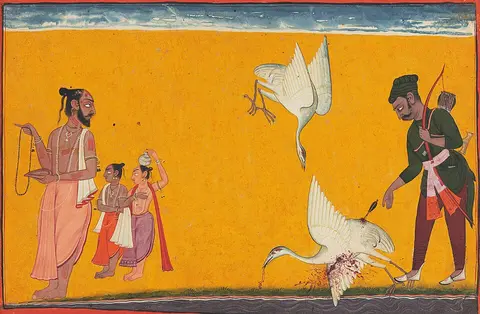
Valmiki Composes the Ramayana
Grief at a krauncha bird's death brought the first shloka from the lips of Adikavi Valmiki. He went on to compose the Ramayana of 24,000 shlokas.
See it on the Kaal Chakra →
Dvapara Yuga
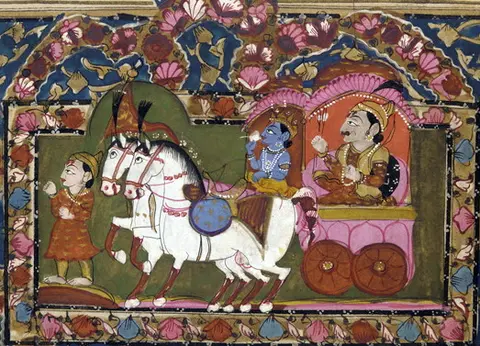
Beginning of Dvapara Yuga
Dharma now stood on two legs. This is the age of Shri Krishna and the Mahabharata.
See it on the Kaal Chakra →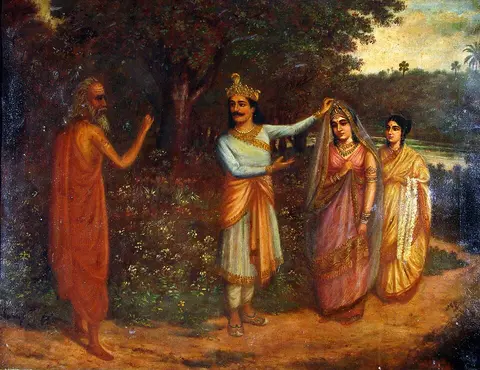
Emperor Bharata — the Name "Bharat"
Emperor Bharata was the son of Dushyanta and Shakuntala. By tradition the land is called "Bharatvarsha" after him.
See it on the Kaal Chakra →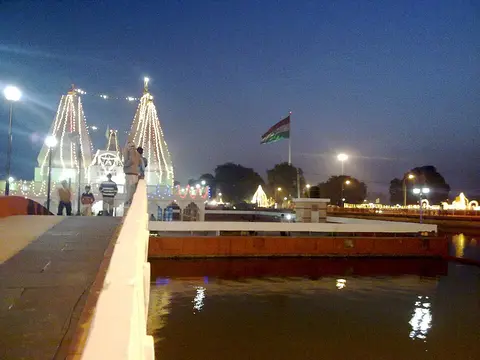
King Kuru and Kurukshetra
King Kuru tilled this land with penance and dharma, so it is called Dharmakshetra Kurukshetra. The Kuru dynasty began with him.
See it on the Kaal Chakra →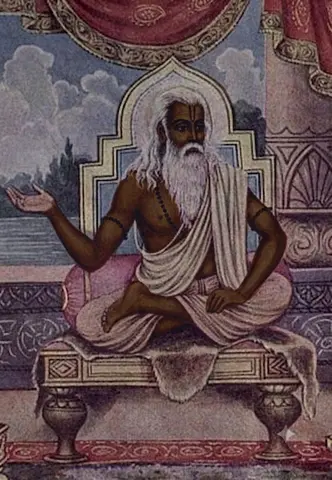
Birth of Ved Vyasa
Krishna Dvaipayana, son of Sage Parashara and Satyavati, was born on an island in the Yamuna. He later divided the Vedas and composed the Mahabharata.
See it on the Kaal Chakra →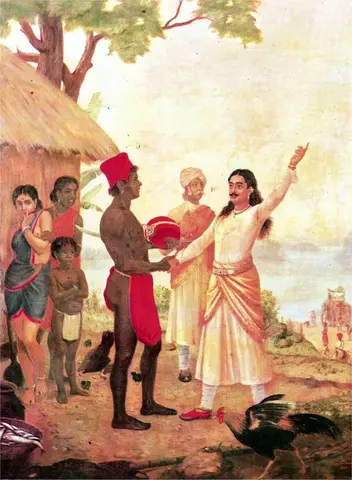
Bhishma's Vow
For his father Shantanu's happiness, Devavrata vowed lifelong celibacy and gave up the throne — from then on he was called "Bhishma".
See it on the Kaal Chakra →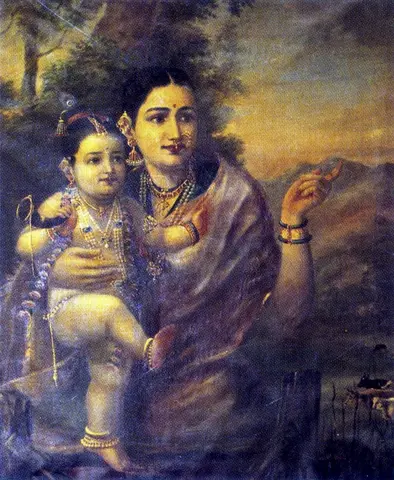
Birth of Shri Krishna
At midnight on Bhadrapada Krishna Ashtami, Shri Krishna appeared to Devaki and Vasudeva in Kamsa's prison. Vasudeva carried him across the Yamuna to Gokul.
See it on the Kaal Chakra →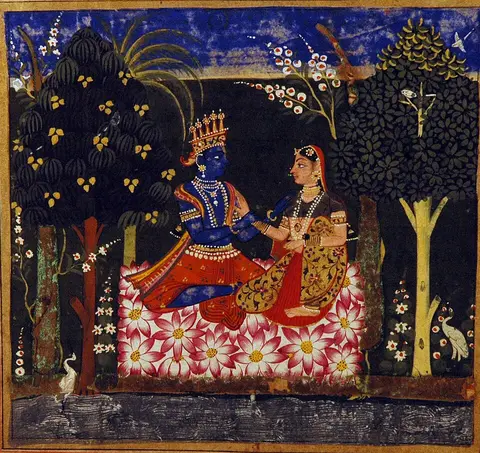
The Leelas of Vrindavan
Stealing butter, taming Kaliya, lifting Govardhan and the Maha Raas — the leelas of Braj made Kanha the darling of every heart.
See it on the Kaal Chakra →Krishna Subdues Kaliya
Dancing on the hoods of the serpent Kaliya, who had poisoned the Yamuna, young Krishna forced him to leave the river.
See it on the Kaal Chakra →Krishna Lifts Govardhan
To shield Braj from Indra's storm, Krishna held up Govardhan hill on one finger for seven days.
See it on the Kaal Chakra →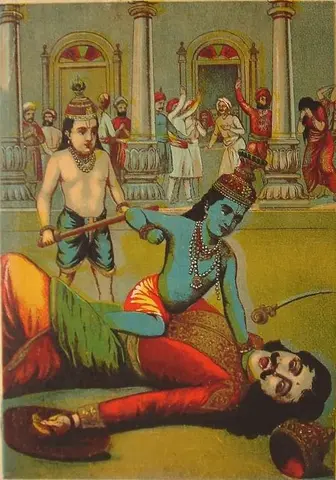
Shri Krishna Ends Kamsa
At the bow festival in Mathura, the young Krishna killed Kamsa and freed his parents and Ugrasena from prison.
See it on the Kaal Chakra →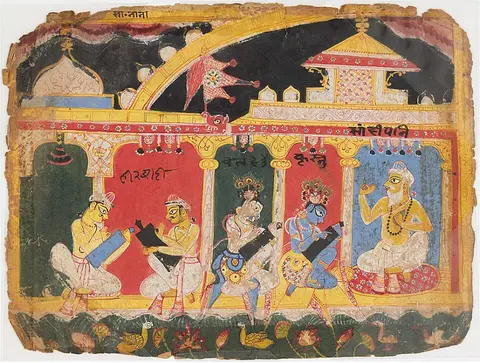
Studies at Sandipani Ashram
In Ujjain, Krishna and Balarama learned the 64 arts from Guru Sandipani in 64 days; here Krishna became friends with Sudama.
See it on the Kaal Chakra →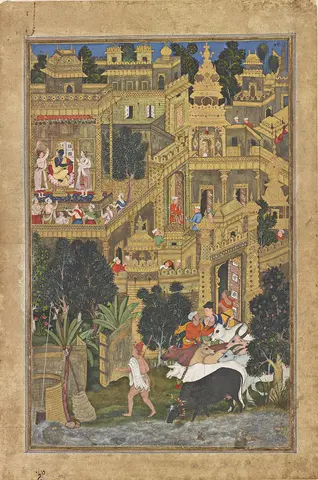
Founding of Dwarka
To protect his people from Jarasandha's repeated attacks, Shri Krishna built the golden city of Dwarka on the seashore.
See it on the Kaal Chakra →Krishna and Rukmini
Betrothed against her will to Shishupala, Rukmini wrote to Krishna, who carried her away from the temple in his chariot.
See it on the Kaal Chakra →Sudama Meets Krishna
Poor Sudama reached Dwarka with a handful of rice; without being asked, Krishna filled his home with wealth.
See it on the Kaal Chakra →Ekalavya's Guru-Dakshina
Ekalavya learnt archery before a clay image of Drona and gave his thumb as the teacher's fee.
See it on the Kaal Chakra →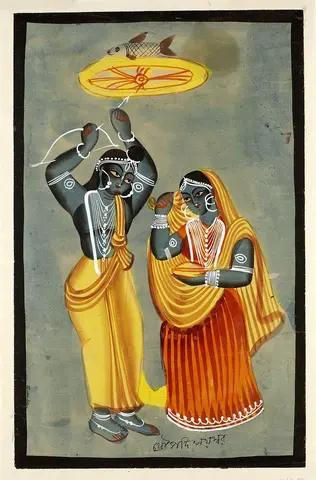
Draupadi Swayamvar
Disguised as a brahmin, Arjuna pierced the eye of the spinning fish and won Draupadi.
See it on the Kaal Chakra →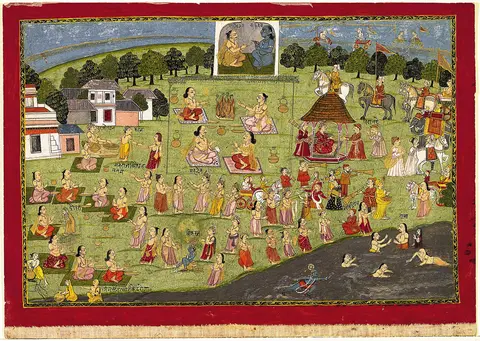
Indraprastha and the Rajasuya Yajna
The Pandavas turned Khandavaprastha into Indraprastha. At Yudhishthira's Rajasuya yajna, Shri Krishna received the first worship.
See it on the Kaal Chakra →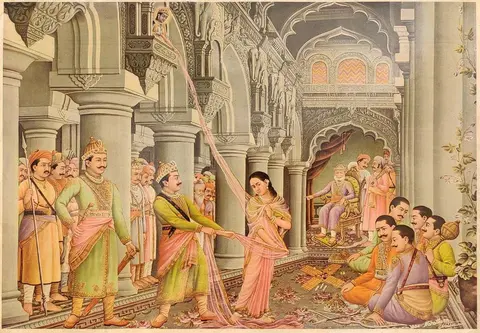
The Dice Game and Draupadi's Honour
Through Shakuni's deceit the Pandavas lost everything. In the full assembly, Shri Krishna saved Draupadi's honour with an endless sari.
See it on the Kaal Chakra →Yaksha's Questions to Yudhishthira
At a lake, a yaksha put questions to the thirsty Pandavas; Yudhishthira's answers of dharma revived his four brothers.
See it on the Kaal Chakra →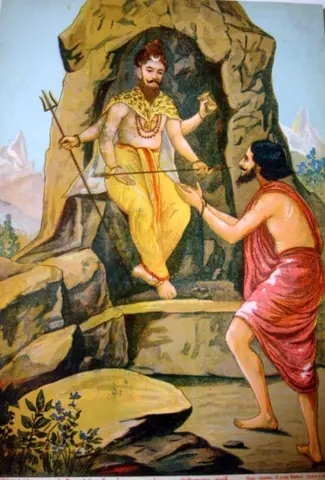
Arjuna Receives the Pashupatastra
During the exile, Arjuna did penance to Mahadev. Shiva tested him in the guise of a hunter (Kirata), then, pleased, gave him the Pashupatastra.
See it on the Kaal Chakra →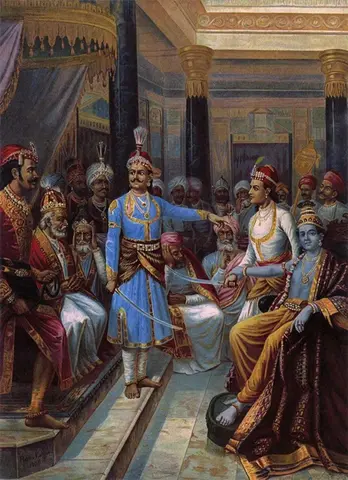
Shri Krishna as the Messenger of Peace
To avert war, Shri Krishna asked for just five villages for the Pandavas. Duryodhana refused to give even land the size of a needle's point.
See it on the Kaal Chakra →Karna Gives Away His Armour
Knowing the brahmin was Indra in disguise, Karna cut off his god-given armour and earrings and gave them away.
See it on the Kaal Chakra →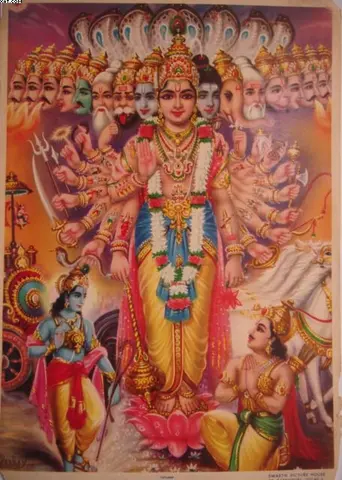
The Teaching of the Bhagavad Gita
To Arjuna, lost in doubt, Shri Krishna taught karma, jnana and bhakti and showed his Vishvarupa. Gita Jayanti falls on Margashirsha Shukla Ekadashi.
See it on the Kaal Chakra →Abhimanyu and the Chakravyuha
Sixteen-year-old Abhimanyu broke into the Chakravyuha alone and fell fighting many great warriors at once.
See it on the Kaal Chakra →Bhishma Teaches the Vishnu Sahasranama
Lying on the bed of arrows, Bhishma taught Yudhishthira the hymn of Vishnu's thousand names.
See it on the Kaal Chakra →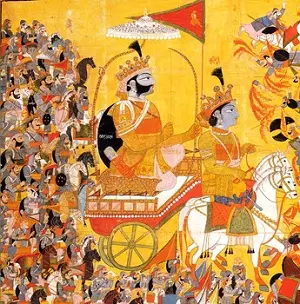
The Mahabharata War
Eighteen days, eighteen akshauhini armies. The Kauravas fell and dharma was restored.
See it on the Kaal Chakra →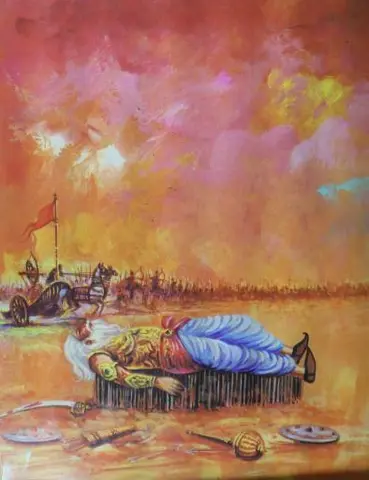
Bhishma on the Bed of Arrows
Blessed to choose his time of death, Bhishma waited on a bed of arrows for Uttarayana and taught Yudhishthira dharma and the Vishnu Sahasranama.
See it on the Kaal Chakra →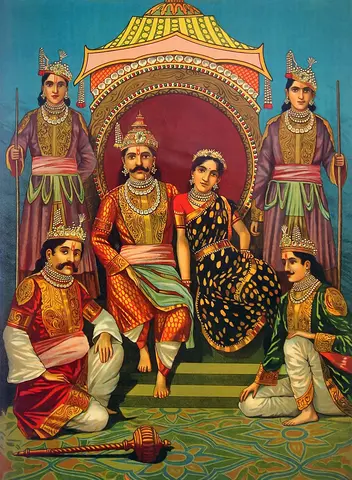
Coronation of Yudhishthira
After the war Yudhishthira became king and performed the Ashvamedha yajna.
See it on the Kaal Chakra →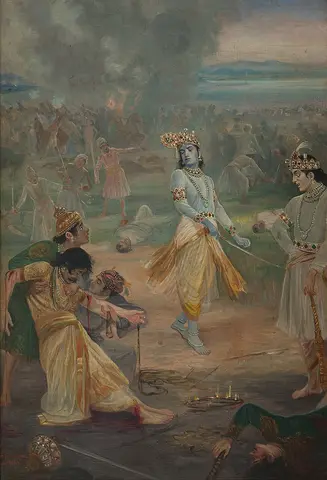
The End of the Yadavas
Cursed by sages, the Yadavas fought among themselves at Prabhas and perished.
See it on the Kaal Chakra →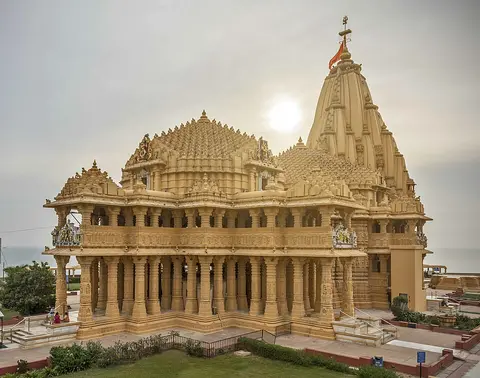
Shri Krishna Returns to His Abode
After a hunter's arrow struck his foot, Shri Krishna ended his earthly leela. The spot is known today as Bhalka Tirth.
See it on the Kaal Chakra →
Kali Yuga
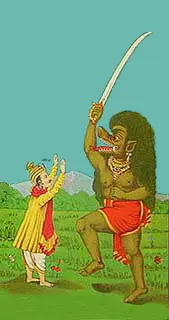
Beginning of Kali Yuga
Kali Yuga began as Shri Krishna departed. Dharma now stands on one leg, but in this age chanting the Lord's name is held to be the greatest path.
See it on the Kaal Chakra →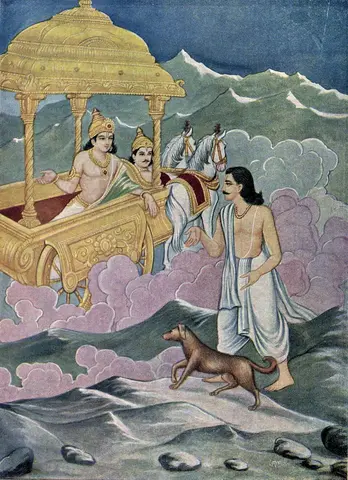
The Pandavas' Final Journey
Handing the kingdom to Parikshit, the Pandavas walked toward the Himalaya. Only Yudhishthira reached heaven in his body.
See it on the Kaal Chakra →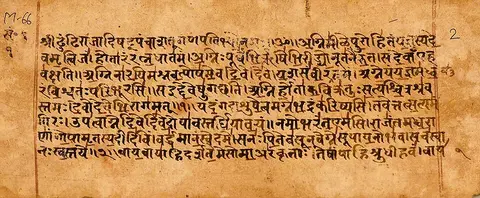
Ved Vyasa Divides the Vedas
Vyasa divided the Veda into four — Rig, Yajur, Sama and Atharva — and gave each to a disciple.
See it on the Kaal Chakra →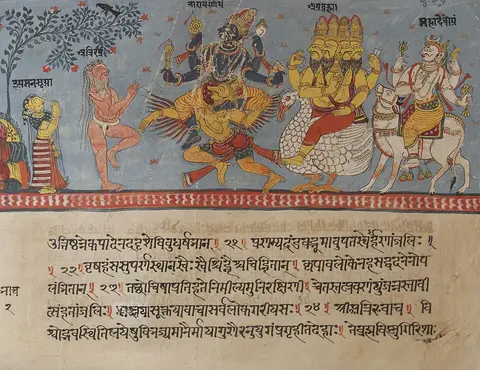
Shukadeva Recites the Bhagavata to Parikshit
Knowing he would die in seven days, King Parikshit heard the Shrimad Bhagavatam from Shukadeva on the bank of the Ganga — the origin of the Bhagavata Saptah tradition.
See it on the Kaal Chakra →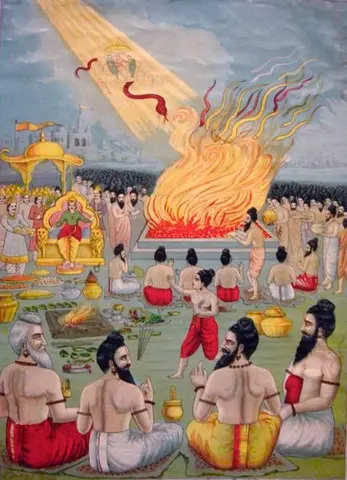
Janamejaya's Snake Sacrifice
To avenge his father Parikshit, Janamejaya held a snake sacrifice; Sage Astika had it stopped. The Mahabharata was first recited at this sacrifice.
See it on the Kaal Chakra →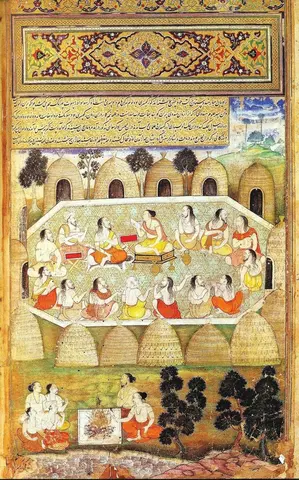
Suta's Katha at Naimisharanya
At Naimisharanya, Suta told the Puranas to Shaunaka and the other rishis — most Puranas open with this very dialogue.
See it on the Kaal Chakra →The Rigveda
The seer-families of the land of seven rivers composed 1,028 hymns to Agni, Indra and Soma: humanity's oldest living scripture.
See it on the Kaal Chakra →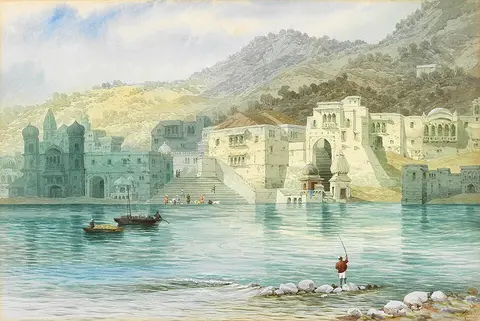
Har Ki Pauri, Haridwar
By tradition King Vikramaditya built this ghat on the Ganga in memory of his brother Bhartrihari. The Brahmakund is here.
See it on the Kaal Chakra →The Yoga Sutra of Patanjali
In 195 aphorisms Maharshi Patanjali defined yoga as the stilling of the mind and gave the eightfold path.
See it on the Kaal Chakra →Mahashivaratri and Ekadashi Vows
The Puranas and Dharmashastras set out the night vigil of Mahashivaratri for Shiva and the Ekadashi fast for Vishnu, open to all.
See it on the Kaal Chakra →Ratha Yatra
Deities ride chariots through the town; at Puri the great chariots of Jagannath, Balabhadra and Subhadra go each year to the Gundicha temple.
See it on the Kaal Chakra →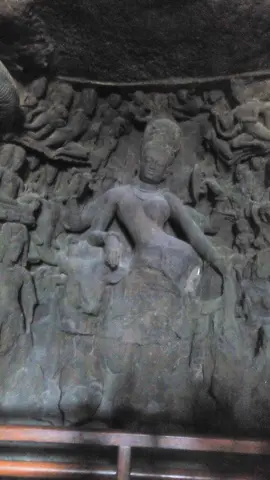
Elephanta Caves and Sadashiva
Rock-cut caves on an island near Mumbai, with the huge three-faced Sadashiva image of Shiva.
See it on the Kaal Chakra →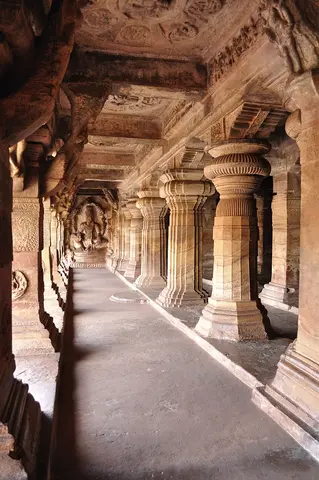
Vishnu Cave of Badami
Cave 3 at Badami, with an inscription of the Chalukya king Mangalesha, carries Vishnu as Trivikrama, Narasimha and on Shesha.
See it on the Kaal Chakra →Sambandar, the Child-Saint
Fed by the Goddess at three and singing at once, Sambandar composed Tevaram hymns at over two hundred temples before he was sixteen.
See it on the Kaal Chakra →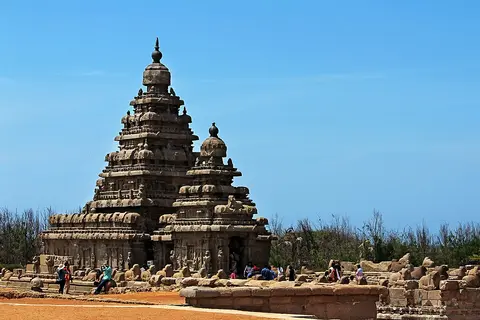
Shore Temple of Mahabalipuram
Built by the sea in the time of the Pallava king Narasimhavarman II, this stone temple is dedicated to both Shiva and Vishnu.
See it on the Kaal Chakra →Sharada Peeth, Kashmir
This seat of Goddess Sarasvati was among India's greatest centres of learning; the Sharada script and Kashmir's name Sharada-desha come from it.
See it on the Kaal Chakra →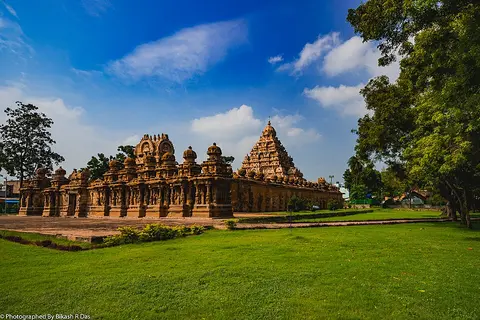
Kailasanathar Temple, Kanchi
The oldest stone Shiva temple of Kanchi, built in the time of the Pallava king Narasimhavarman II (Rajasimha).
See it on the Kaal Chakra →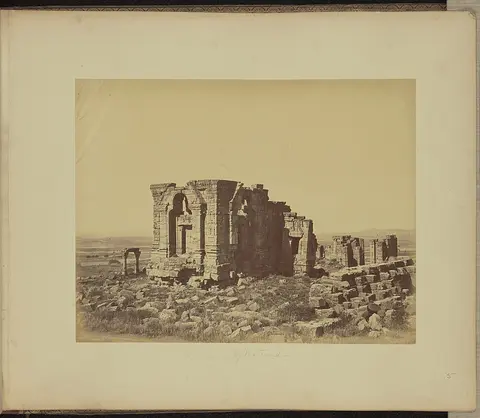
Martand Sun Temple
King Lalitaditya Muktapida of Kashmir built a grand temple of the Sun god on a high plateau; its ruins still stand.
See it on the Kaal Chakra →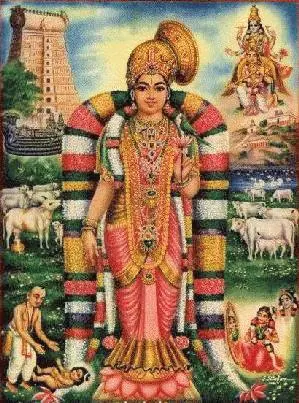
Andal — Goda Devi
The only woman among the twelve Alvar saints, Andal composed the Tiruppavai and took Lord Ranganatha as her husband.
See it on the Kaal Chakra →Pashupatinath, Kathmandu
On the Bagmati, Pashupatinath is Nepal's guardian lord; Licchavi inscriptions call him master of the valley.
See it on the Kaal Chakra →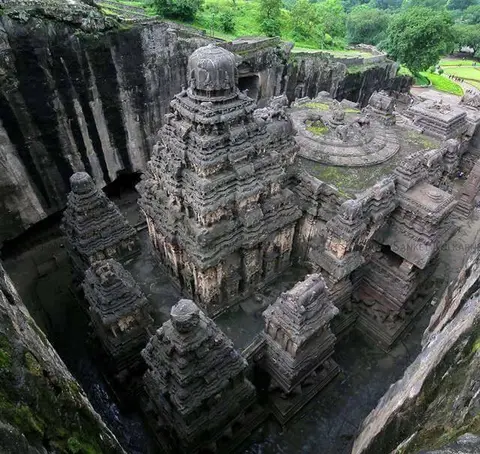
Kailasa Temple of Ellora
In the time of the Rashtrakuta king Krishna I, the whole Kailasa temple was carved top-down out of a single rock.
See it on the Kaal Chakra →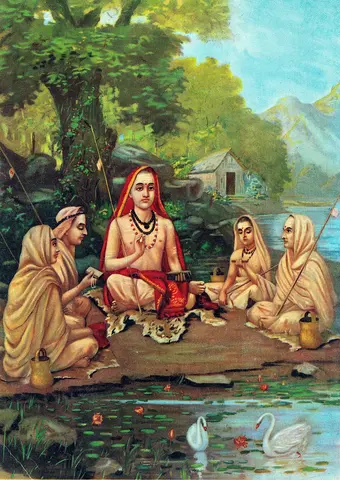
Adi Shankaracharya — Advaita and the Four Maths
Born in Kaladi, Kerala, Shankaracharya spread Advaita Vedanta and founded maths in the four directions of the land.
See it on the Kaal Chakra →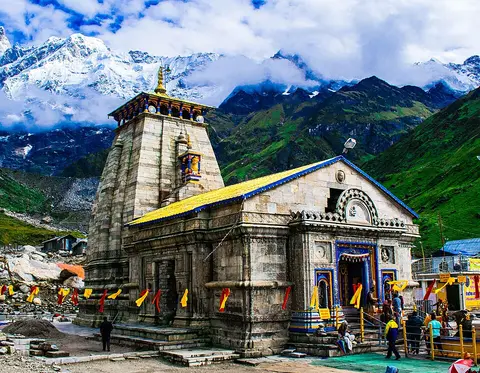
Kedarnath Dham
The highest of the twelve Jyotirlingas. Tradition says the Pandavas sought Shiva here and Shankaracharya restored the temple.
See it on the Kaal Chakra →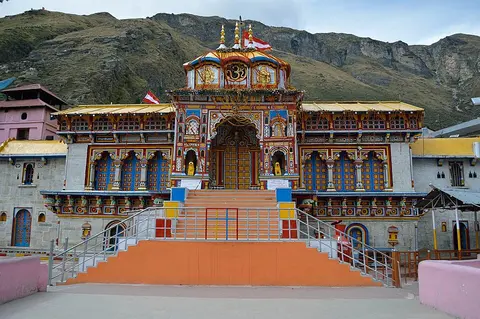
Badrinath Dham
The abode of Lord Badrinarayan on the Alaknanda. Tradition says Shankaracharya took the murti out of Narada Kund and installed it.
See it on the Kaal Chakra →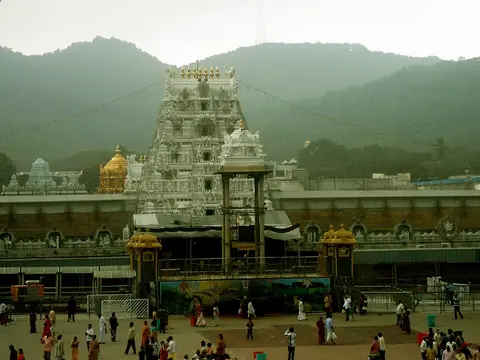
Shri Venkateswara of Tirumala
Lord Venkateswara on the seven hills. The oldest inscriptions here date to around the ninth century.
See it on the Kaal Chakra →Manikkavacakar's Tiruvacakam
The minister who spent the royal treasury on a Shiva temple, Manikkavacakar composed the Tiruvacakam, hymns said to melt a heart of stone.
See it on the Kaal Chakra →Nammalvar's Tiruvaymoli
Silent for sixteen years in the hollow of a tamarind tree, Nammalvar sang the 1,102 verses of the Tiruvaymoli, called the Tamil Veda.
See it on the Kaal Chakra →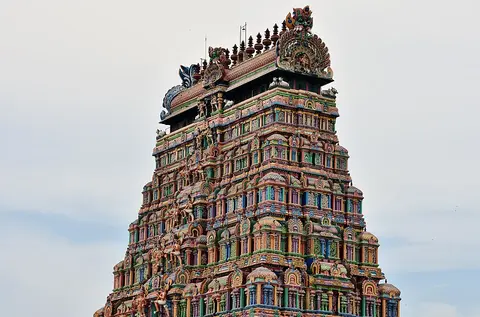
Nataraja of Chidambaram
The abode of Shiva's Ananda Tandava. Chola kings covered its roof in gold; here Shiva is worshipped as the element of space (akasha).
See it on the Kaal Chakra →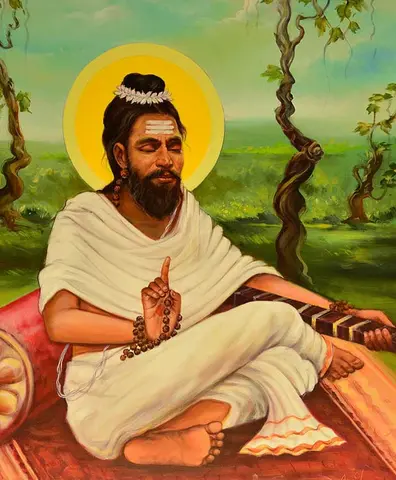
Abhinavagupta and Kashmir Shaivism
The great Kashmiri teacher Abhinavagupta wrote the Tantraloka and raised Shaiva philosophy, aesthetics and the Natyashastra commentary to new heights.
See it on the Kaal Chakra →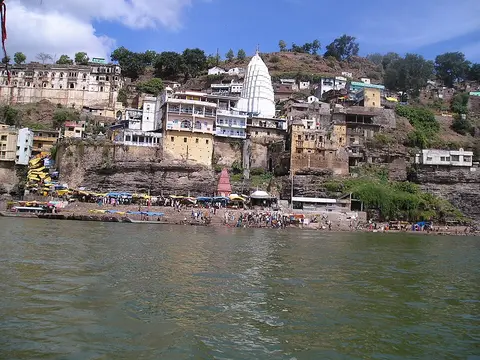
Omkareshwar Jyotirlinga
Omkareshwar, one of the twelve Jyotirlingas, stands on an Om-shaped island in the middle of the Narmada.
See it on the Kaal Chakra →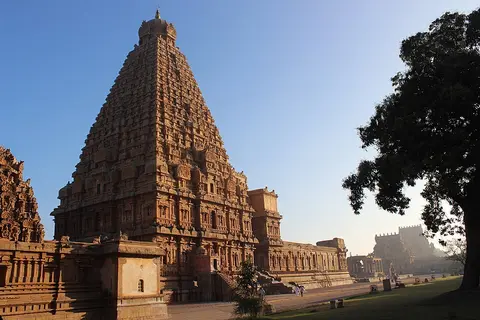
Brihadeeswara Temple, Thanjavur
The Chola emperor Rajaraja I built this huge Shiva temple in 1010 CE. Its tower is among the tallest in South India.
See it on the Kaal Chakra →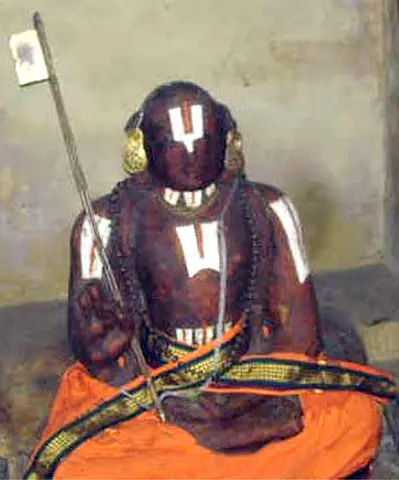
Ramanujacharya — Vishishtadvaita
Ramanujacharya taught Vishishtadvaita and opened the door of bhakti to all. Srirangam was his main centre.
See it on the Kaal Chakra →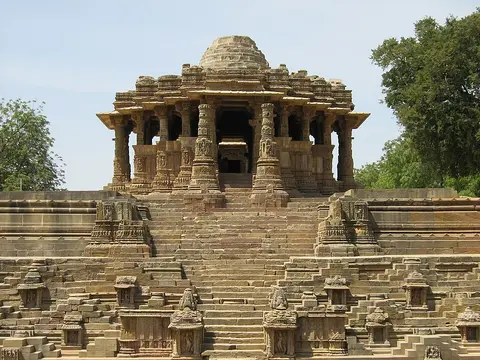
Sun Temple of Modhera
A Sun temple built in 1026 CE under the Chalukya king Bhimadeva I, with a beautiful stepped tank, the Surya Kund, in front.
See it on the Kaal Chakra →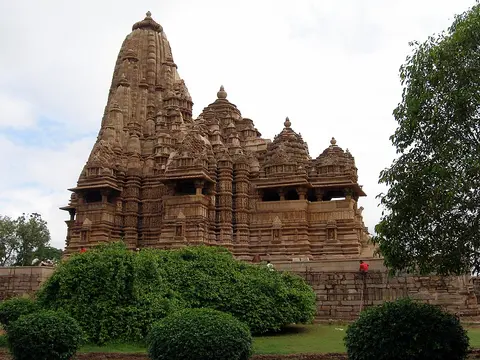
Kandariya Mahadeva, Khajuraho
Built under the Chandela kings, this Shiva temple is a fine example of the Nagara style, its tower rising like Mount Kailash.
See it on the Kaal Chakra →
Guru Gorakhnath and the Nath tradition
Gorakhnath, disciple of Matsyendranath, spread Hatha Yoga and the Nath tradition across India.
See it on the Kaal Chakra →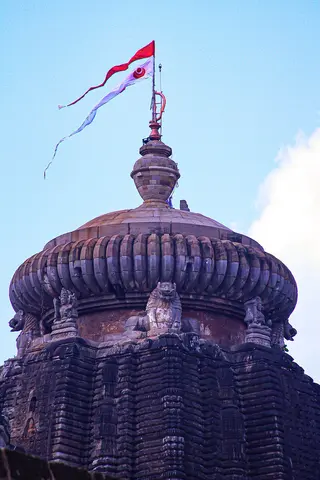
Lingaraj Temple, Bhubaneswar
A grand eleventh-century temple in the Kalinga style, where Harihara — Shiva and Vishnu in one form — is worshipped.
See it on the Kaal Chakra →
Basavanna — Vachanas and the Anubhava Mantapa
The twelfth-century Shiva devotee Basavanna opposed caste through his Kannada vachanas and seated everyone as equals in the Anubhava Mantapa.
See it on the Kaal Chakra →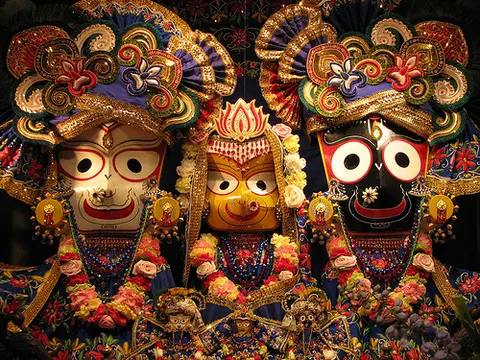
Shri Jagannath Temple, Puri
The present temple, built under the Ganga king Anantavarman Chodaganga, is one of the Char Dham. Its Rath Yatra is world-famous.
See it on the Kaal Chakra →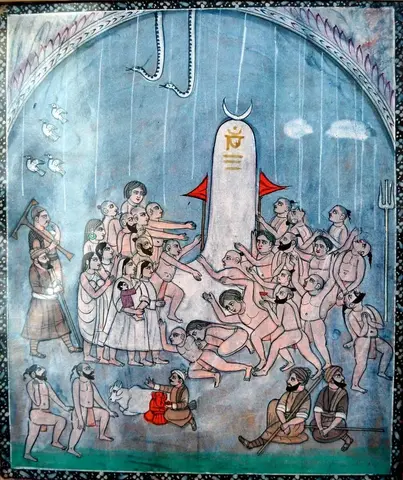
Amarnath Cave
The pilgrimage to the ice lingam that forms in a Himalayan cave. Kalhana Rajatarangini mentions the Amareshvara tirtha.
See it on the Kaal Chakra →Akka Mahadevi
Taking Chennamallikarjuna (Shiva) alone as her husband, Akka Mahadevi left the palace and reached the Anubhava Mantapa at Kalyana.
See it on the Kaal Chakra →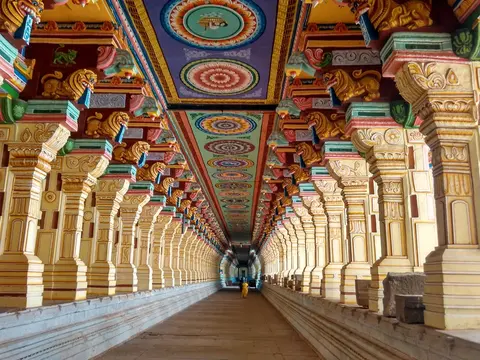
Ramanathaswamy Temple, Rameswaram
A Jyotirlinga linked to the Shivalinga installed by Shri Ram. Its long corridors were built after the twelfth century.
See it on the Kaal Chakra →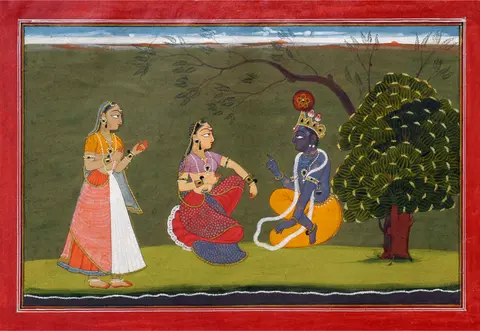
Jayadeva and the Gita Govinda
The poet Jayadeva wrote the Gita Govinda in Sanskrit; its songs are still sung in the Jagannath temple at Puri.
See it on the Kaal Chakra →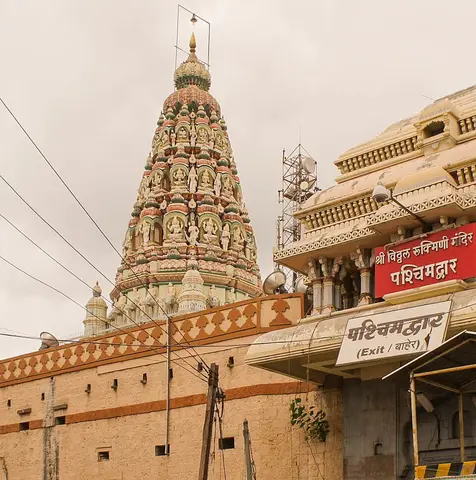
Shri Vitthal of Pandharpur
Vithoba stands on a brick for his devotee Pundalik. Inscriptions go back to the 12th–13th centuries; lakhs of Warkaris come on Ashadhi Ekadashi.
See it on the Kaal Chakra →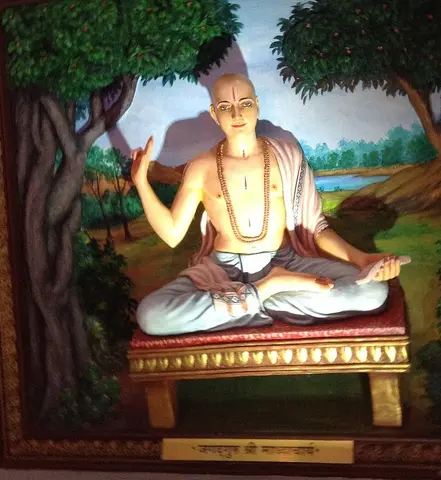
Madhvacharya — Dvaita Vedanta
Madhvacharya taught Dvaita philosophy and installed the murti of Bala Krishna at Udupi, still worshipped today.
See it on the Kaal Chakra →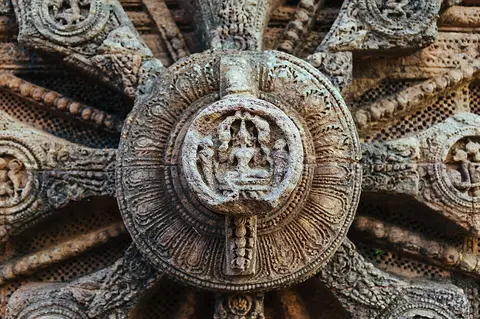
Sun Temple of Konark
The Ganga king Narasimhadeva I built this temple as the chariot of the Sun god, with twelve pairs of stone wheels.
See it on the Kaal Chakra →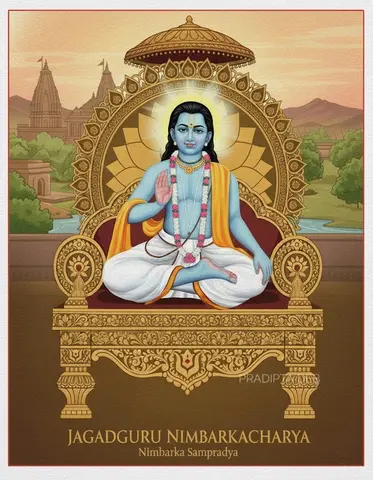
Nimbarkacharya and Radha-Krishna worship
Nimbarkacharya taught Dvaitadvaita and placed the joint worship of Radha and Krishna at the centre.
See it on the Kaal Chakra →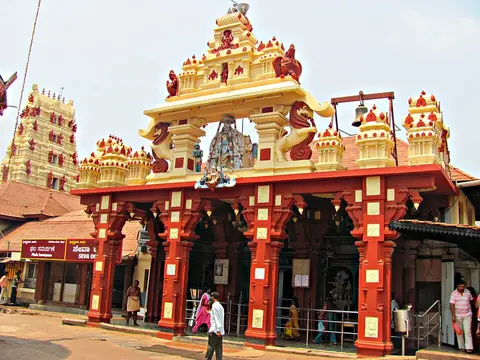
Udupi Sri Krishna Matha
Madhvacharya installed at Udupi the image of child Krishna found hidden in a lump of clay brought by the sea.
See it on the Kaal Chakra →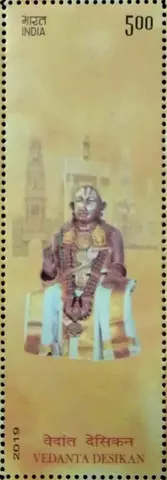
Vedanta Desika
Vedanta Desika, a great teacher of the Ramanuja tradition, wrote over a hundred works and strengthened Shri Vaishnava thought.
See it on the Kaal Chakra →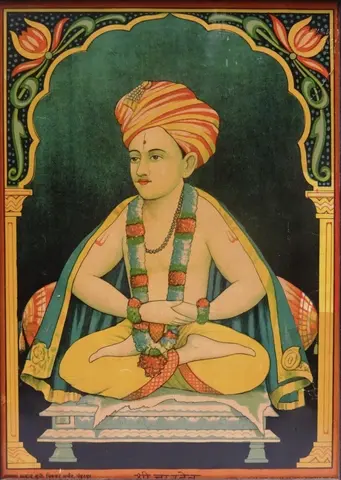
Sant Namdev
The Warkari saint Namdev of Maharashtra sang abhangs of devotion to Vitthal. His verses are also in the Guru Granth Sahib.
See it on the Kaal Chakra →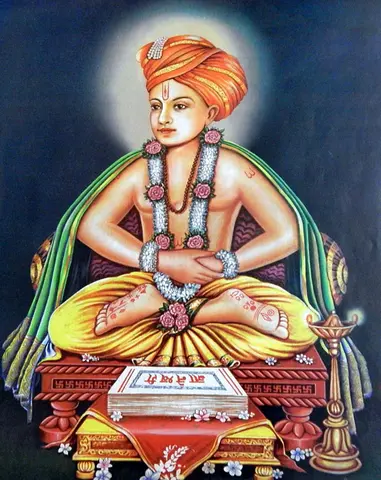
Sant Dnyaneshwar and the Dnyaneshwari
At sixteen, Sant Dnyaneshwar wrote the Dnyaneshwari, a Marathi commentary on the Gita, and took samadhi at Alandi.
See it on the Kaal Chakra →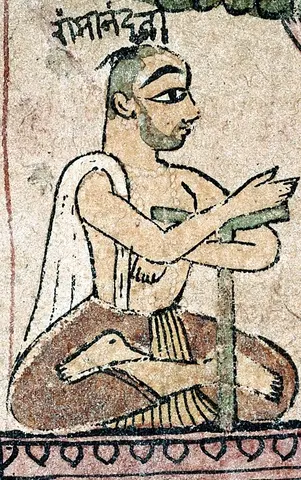
Swami Ramananda
Ramananda opened Ram bhakti to all. Kabir, Ravidas and many saints are linked to his tradition.
See it on the Kaal Chakra →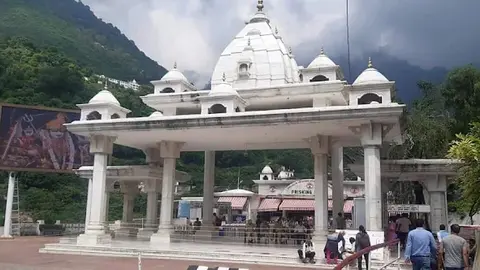
Cave of Mata Vaishno Devi
In the holy cave on Trikuta mountain, the Mother is present as three pindis — Mahakali, Mahalakshmi and Mahasaraswati.
See it on the Kaal Chakra →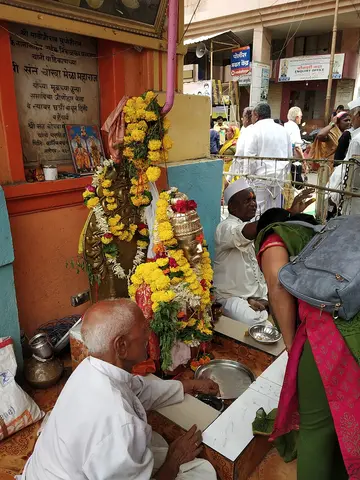
Sant Chokhamela
Chokhamela, born in the Mahar community, was a devotee of Vitthal whose abhangas are still sung. His samadhi is at the temple steps.
See it on the Kaal Chakra →Janabai, Muktabai and Soyarabai
Namdev's servant Janabai, Dnyaneshwar's sister Muktabai and Chokhamela's wife Soyarabai: the first women saint-poets of Marathi.
See it on the Kaal Chakra →Lalleshwari — Lal Ded
The Shiva yogini Lal Ded of Kashmir composed vakhs in Kashmiri that are still spoken in homes there.
See it on the Kaal Chakra →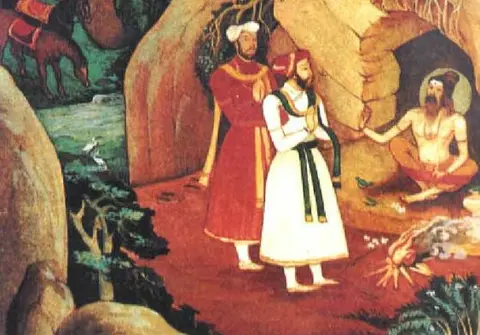
Vidyaranya and Vijayanagara
Inspired by Vidyaranya of Sringeri, Harihara and Bukka founded the Vijayanagara empire.
See it on the Kaal Chakra →The Twelve Jyotirlingas
The Shiva Purana lists twelve jyotirlingas, where Shiva appeared as an endless pillar of light, from Somnath to Rameswaram.
See it on the Kaal Chakra →The 51 Shakti Peethas
Wherever the parts of Sati's body fell, a Shakti Peetha arose: from Kashmir to Kanyakumari and from Hinglaj to Kamakhya.
See it on the Kaal Chakra →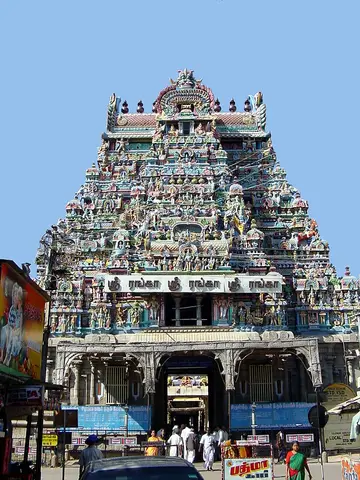
Ranganatha Returns to Srirangam
Hidden during the invasions, the murti of Ranganatha came back to Srirangam around 1371 CE. It is among the largest functioning temple complexes in the world.
See it on the Kaal Chakra →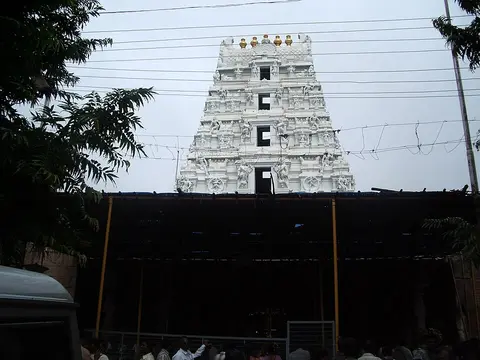
Mallikarjuna of Srisailam
Both a Jyotirlinga and a Shakti Peeth (Bhramaramba). The temple was greatly expanded in the Vijayanagara period.
See it on the Kaal Chakra →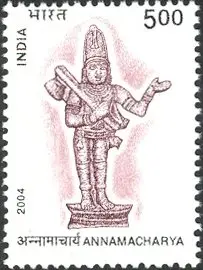
Annamacharya
A devotee of Venkateswara of Tirumala, Annamacharya composed about 32,000 sankirtanas — the grandfather of Telugu song-poetry.
See it on the Kaal Chakra →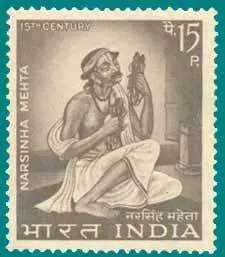
Narsinh Mehta
The first great poet of Gujarati, Narsinh Mehta wrote songs of Krishna bhakti. Gandhiji's favourite bhajan, Vaishnav Jan To, is his.
See it on the Kaal Chakra →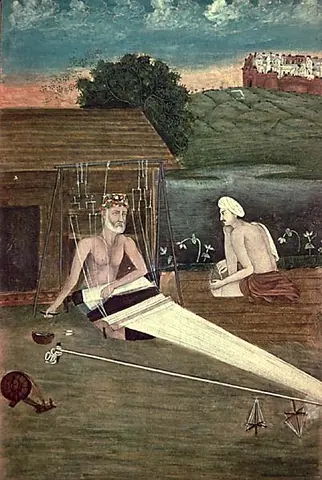
Sant Kabir
The weaver-saint Kabir of Kashi struck at hypocrisy with his dohas and taught devotion to the formless Ram.
See it on the Kaal Chakra →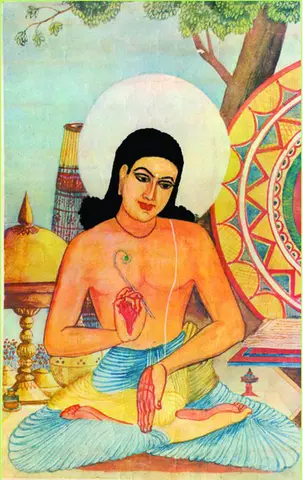
Srimanta Sankardev
Assam's saint Sankardev joined all of Assam in Krishna bhakti through Ekasarana Naam Dharma, the Namghar, Borgeet and Ankia Naat.
See it on the Kaal Chakra →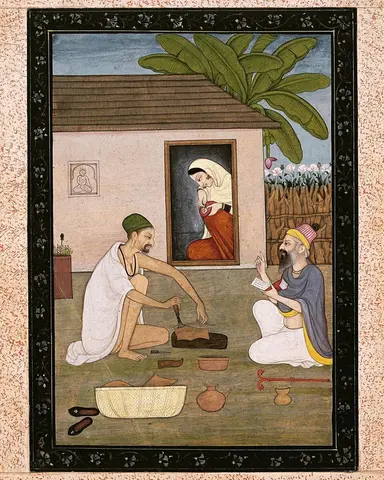
Sant Ravidas
Sant Ravidas of Kashi said: if the mind is pure, the Ganga is in your water bowl. Meerabai regarded him as her guru.
See it on the Kaal Chakra →The Krittivasi Ramayana
Krittivas Ojha recast the Ramayana in singable Bengali verse, the Rama-katha of every Bengali home.
See it on the Kaal Chakra →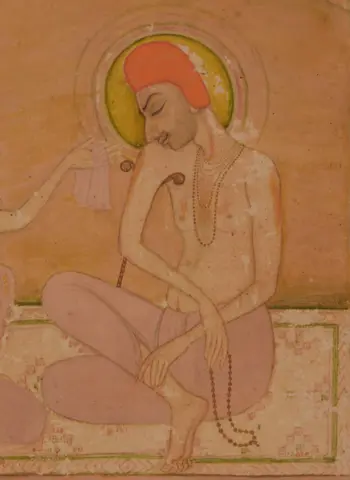
Surdas
In the Sursagar, Surdas of the Ashtachhap sang child Krishna's leelas as if he had seen them with his own eyes.
See it on the Kaal Chakra →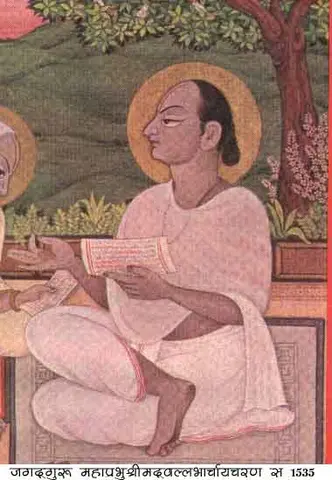
Vallabhacharya — Pushtimarg
Vallabhacharya taught Shuddhadvaita and the Pushtimarg, where the Lord's grace is everything. Shrinathji is worshipped in this tradition.
See it on the Kaal Chakra →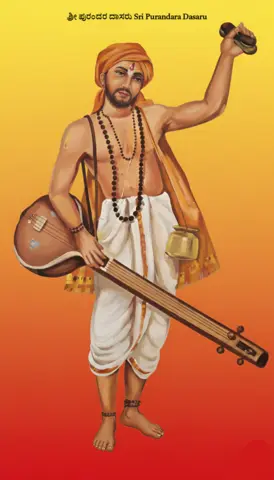
Purandara Dasa
The grandfather of Carnatic music, Purandara Dasa composed thousands of Kannada songs and set the order in which music is learned.
See it on the Kaal Chakra →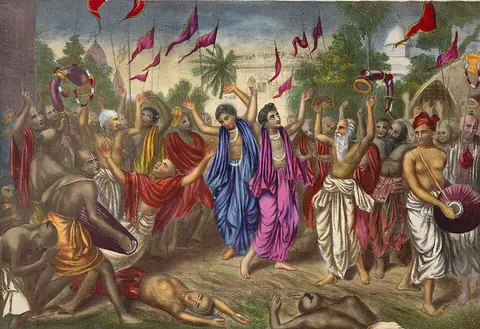
Chaitanya Mahaprabhu
Born in Navadvipa, Chaitanya Mahaprabhu carried the sankirtan of the Hare Krishna Mahamantra to every home.
See it on the Kaal Chakra →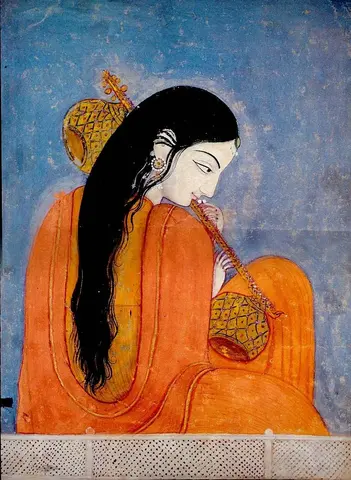
Meerabai
The Rajput queen Meerabai took Giridhar Gopal as her all, left the palace and sang songs of bhakti.
See it on the Kaal Chakra →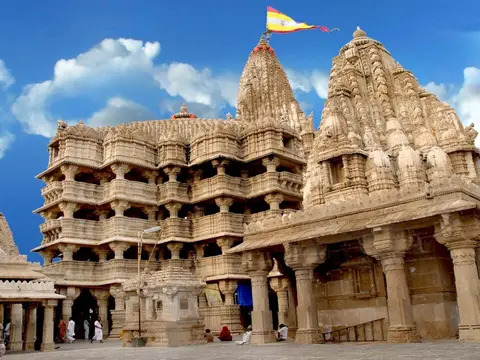
Dwarkadhish Temple
One of the Char Dham. Tradition says Krishna's great-grandson Vajranabha built the first temple; the present one is from later centuries.
See it on the Kaal Chakra →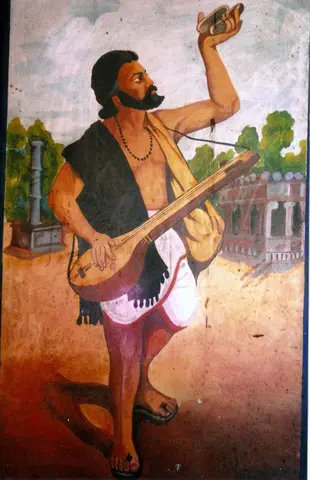
Kanakadasa
Moved by the devotion of Kanakadasa of the Kuruba community, the Krishna murti at Udupi turned toward him — that window is called Kanakana Kindi.
See it on the Kaal Chakra →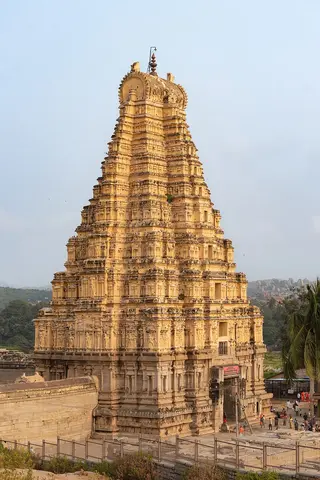
Virupaksha Temple, Hampi
The main Shiva temple of the Vijayanagara capital. King Krishnadevaraya built its tall gopuram in 1510 CE.
See it on the Kaal Chakra →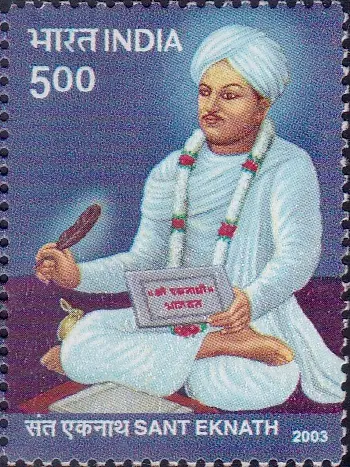
Sant Eknath
Sant Eknath of Paithan wrote a Marathi commentary on the Bhagavata, prepared a pure text of the Dnyaneshwari, and awakened society with his bharuds.
See it on the Kaal Chakra →Hit Harivansh and the Radhavallabh tradition
Hit Harivansh Mahaprabhu founded the Radhavallabh tradition with Shri Radha at its centre.
See it on the Kaal Chakra →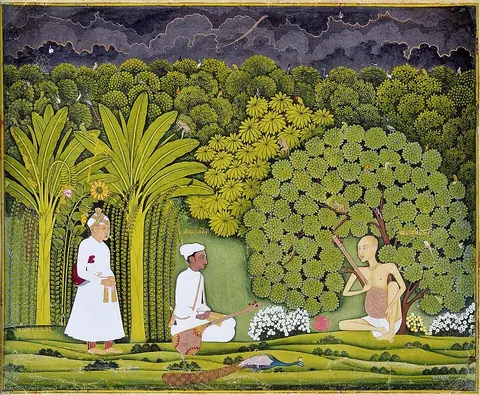
Swami Haridas
Swami Haridas, guru of the great singer Tansen, manifested the image of Banke Bihari in Nidhivan.
See it on the Kaal Chakra →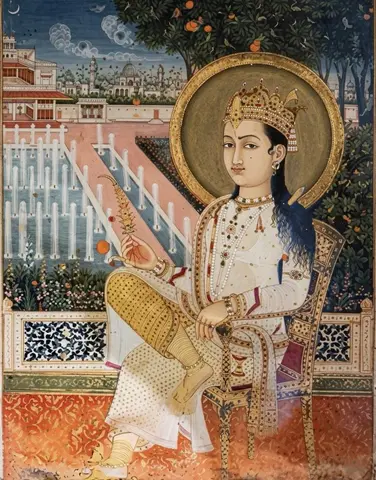
Sant Dadu Dayal
Dadu Dayal, a saint of nirguna bhakti, spoke in simple words of love and of Ram living in every heart.
See it on the Kaal Chakra →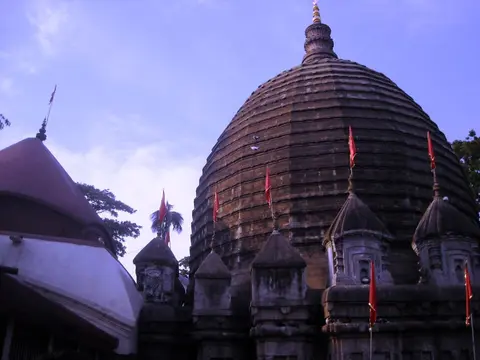
Kamakhya Temple Rebuilt
The Kamakhya temple, foremost among the Shakti Peeths, was rebuilt in 1565 CE by the Koch king Naranarayan.
See it on the Kaal Chakra →Madhavdev and the Namghosha
Srimanta Sankardev's chief disciple Madhavdev composed the Namghosha and the Borgeet, still sung in Assam's namghars.
See it on the Kaal Chakra →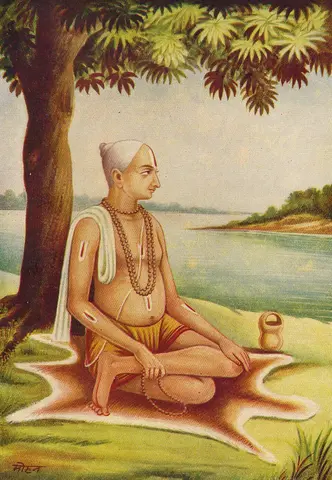
Tulsidas Writes the Ramcharitmanas
On Ram Navami of Samvat 1631, Goswami Tulsidas began writing the Ramcharitmanas in Ayodhya.
See it on the Kaal Chakra →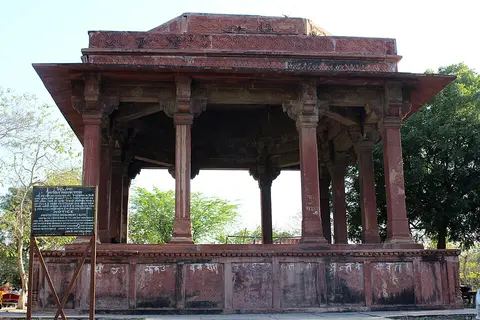
Raskhan
Born into a Muslim family, Raskhan was so absorbed in love for Krishna that his savaiyas are still sung in Braj.
See it on the Kaal Chakra →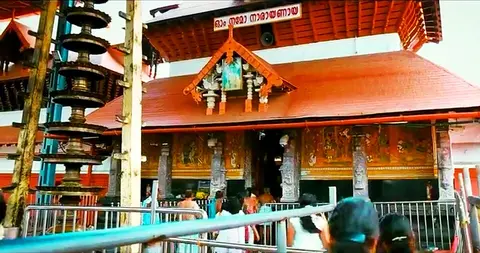
Shri Krishna of Guruvayur
Kerala's most famous Krishna temple. In 1586, Melpathur Narayana Bhattathiri composed the Narayaneeyam here.
See it on the Kaal Chakra →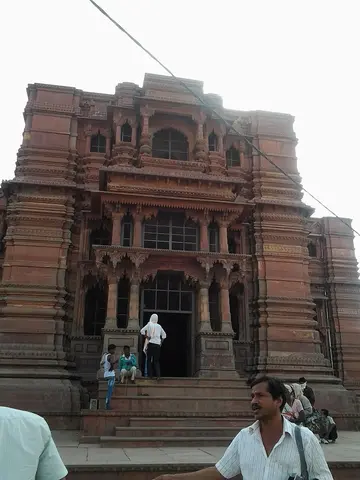
Govind Dev Temple, Vrindavan
Raja Man Singh of Amer built the seven-storey red-stone Govind Dev temple, one of the grandest in North India.
See it on the Kaal Chakra →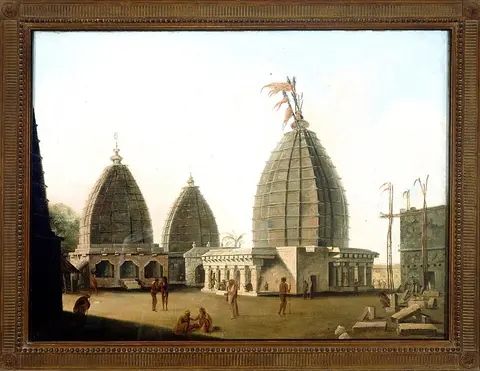
Baidyanath Dham, Deoghar
A Jyotirlinga whose story is linked to Ravana. In Sawan, Kanwariyas carry Ganga water here from Sultanganj.
See it on the Kaal Chakra →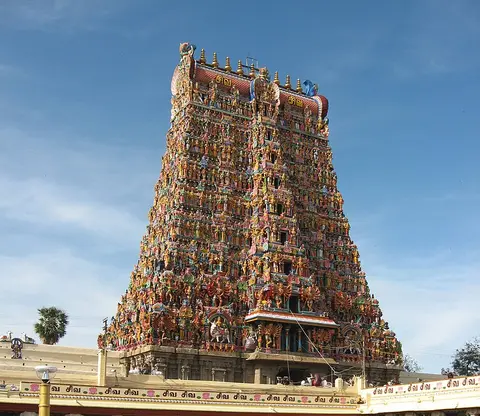
Meenakshi Temple, Madurai
The temple of Mother Meenakshi and Sundareswarar (Shiva). Its vast present form was mostly built under the Nayak kings in the 16th–17th centuries.
See it on the Kaal Chakra →The Char Dham of India
Badrinath in the north, Dwarka in the west, Puri in the east and Rameswaram in the south: the four abodes at India's four corners.
See it on the Kaal Chakra →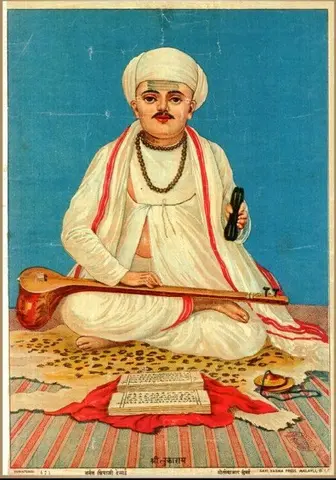
Sant Tukaram
The abhangs of Sant Tukaram of Dehu are still sung by Warkaris on the pilgrimage to Pandharpur.
See it on the Kaal Chakra →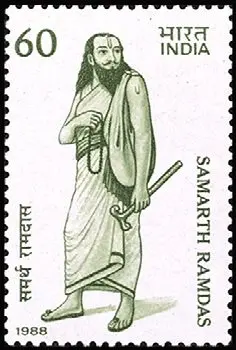
Samarth Ramdas
The Hanuman devotee Samarth Ramdas wrote the Manache Shlok and Dasbodh and built Hanuman temples in many places.
See it on the Kaal Chakra →Morya Gosavi, Saint of Ganesha
The chief Ganapatya saint walked every month from Chinchwad to Morgaon; Ganpati Bappa Morya carries his name.
See it on the Kaal Chakra →Guru Raghavendra Swami, Mantralayam
In 1671 the Dvaita saint Raghavendra Tirtha entered his brindavana alive at Mantralayam on the Tungabhadra.
See it on the Kaal Chakra →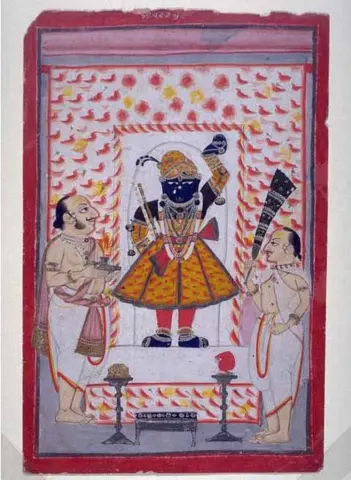
Shrinathji of Nathdwara
The chariot carrying Shrinathji from Govardhan stopped in Mewar, and Nathdwara grew around it.
See it on the Kaal Chakra →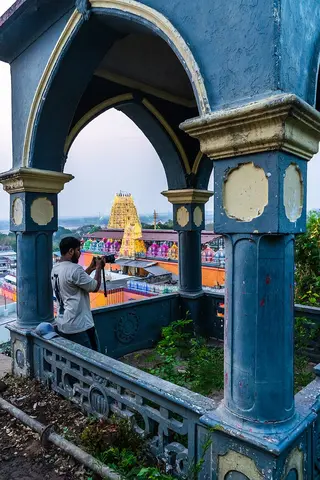
Rama Temple of Bhadrachalam
Bhakta Ramadasu (Kancharla Gopanna) built the Sita-Rama temple on the Godavari and kept singing to Ram even in prison.
See it on the Kaal Chakra →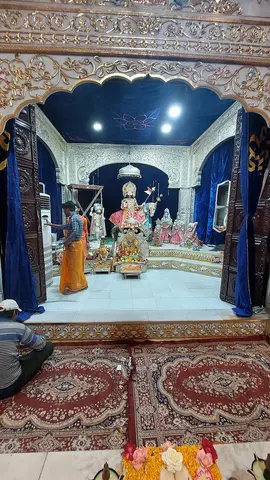
Khatu Shyam Temple
Barbarika, the hero of the Mahabharata who gave his head to Shri Krishna, is worshipped at Khatu as Shyam.
See it on the Kaal Chakra →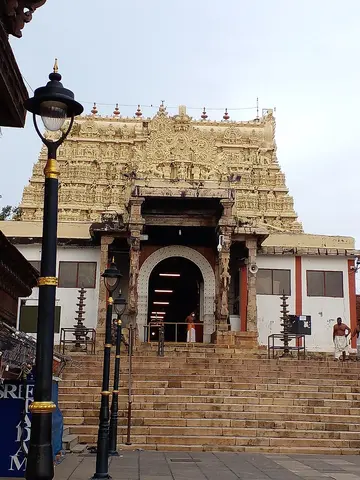
Anantha Padmanabhaswamy Temple
Lord Padmanabha reclining on Sheshanaga. In the 1730s King Marthanda Varma renovated the temple and dedicated his kingdom to the Lord.
See it on the Kaal Chakra →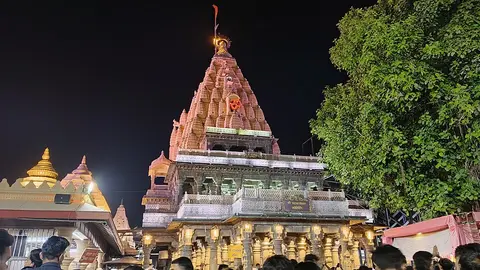
Mahakaleshwar of Ujjain
Mahakal, the south-facing Jyotirlinga. The present temple was rebuilt in the eighteenth century by the Maratha chief Ranoji Shinde.
See it on the Kaal Chakra →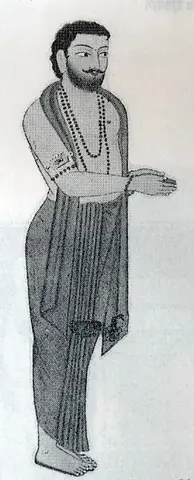
Ramprasad Sen and Shyama Sangeet
Ramprasad Sen, poet-devotee of Mother Kali, gave Bengal Shyama Sangeet — songs that speak to the Mother like a child.
See it on the Kaal Chakra →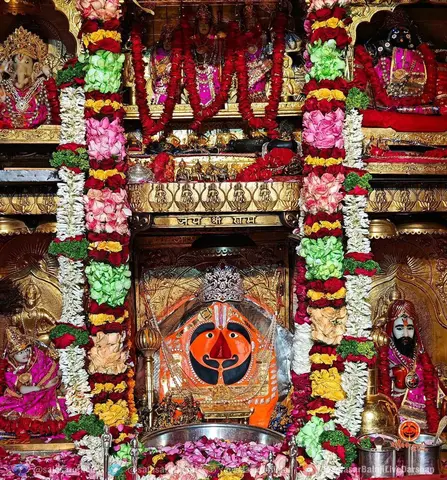
Salasar Balaji
An image of Hanuman found while ploughing at Asota village came to Salasar by the resolve of the devotee Mohandas.
See it on the Kaal Chakra →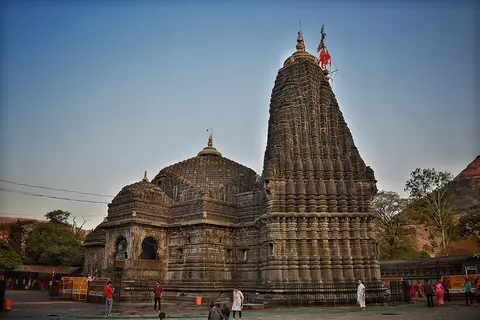
Trimbakeshwar Jyotirlinga
At the source of the Godavari, a Jyotirlinga with three faces — Brahma, Vishnu and Mahesh. Peshwa Nanasaheb began building the present temple.
See it on the Kaal Chakra →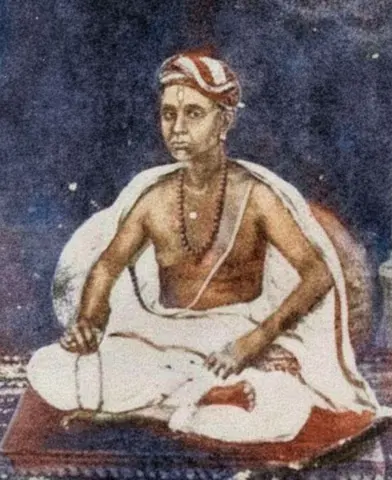
Saint Tyagaraja
A devotee of Shri Ram, Tyagaraja composed thousands of kritis. His Pancharatna kritis are a treasure of Carnatic music.
See it on the Kaal Chakra →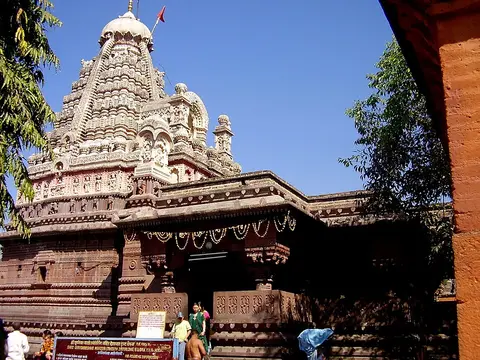
Grishneshwar Jyotirlinga
The twelfth Jyotirlinga, with the story of the devotee Ghushma. Queen Ahilyabai Holkar rebuilt it in the eighteenth century.
See it on the Kaal Chakra →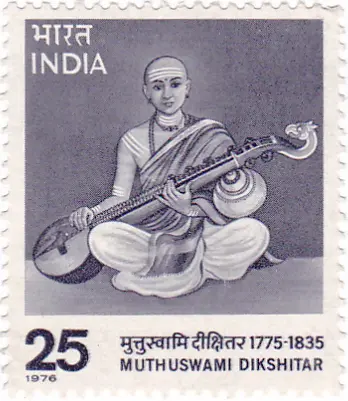
Muthuswami Dikshitar
One of the Trinity of Carnatic music, Dikshitar composed Sanskrit kritis on gods, goddesses and temples.
See it on the Kaal Chakra →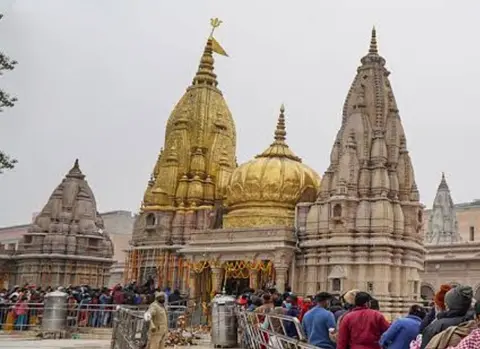
Kashi Vishwanath Temple
Foremost among the twelve Jyotirlingas. The present temple was built in 1780 CE by Queen Ahilyabai Holkar.
See it on the Kaal Chakra →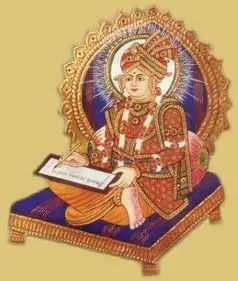
Bhagwan Swaminarayan
Born in Chhapaiya, Ghanshyam left home as a boy and founded the Swaminarayan Sampradaya in Gujarat.
See it on the Kaal Chakra →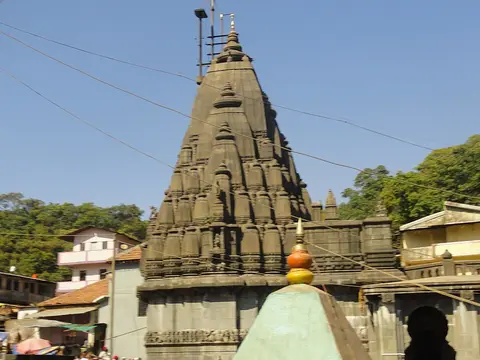
Bhimashankar Jyotirlinga
A Jyotirlinga at the source of the Bhima river, where Shiva slew the asura Bhima. Nana Phadnavis built its hall in the eighteenth century.
See it on the Kaal Chakra →Vishnupad Temple, Gaya
The great tirtha of ancestral rites, where Ahilyabai Holkar built a temple in 1787 over Vishnu's footprint in rock.
See it on the Kaal Chakra →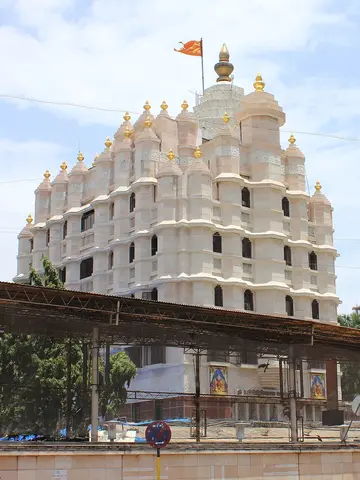
Siddhivinayak, Mumbai
Laxman Vithu and Deubai Patil built a small temple in 1801; today it is among India's most famous Ganesh temples.
See it on the Kaal Chakra →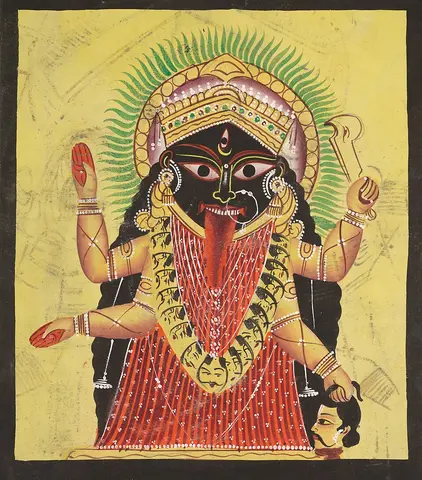
Kalighat, Kolkata
A temple of Mother Kali in the Shakti Peeth tradition. The present temple was built in 1809 CE; the name of Kolkata is linked to it.
See it on the Kaal Chakra →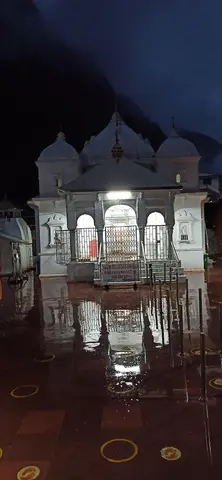
Gangotri Temple
The temple of Mother Ganga on the Bhagirathi, where the Bhagirath Shila lies. The Gorkha general Amar Singh Thapa built it in the early nineteenth century.
See it on the Kaal Chakra →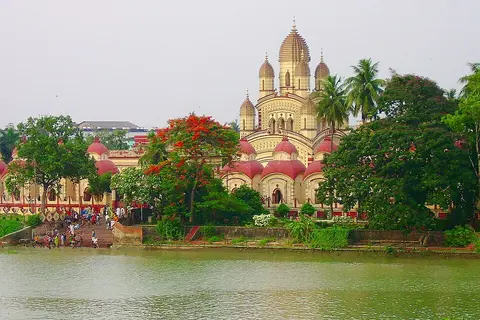
Ramakrishna Paramahamsa
Ramakrishna Paramahamsa, worshipper of Mother Kali, said: as many faiths, so many paths. Swami Vivekananda was his disciple.
See it on the Kaal Chakra →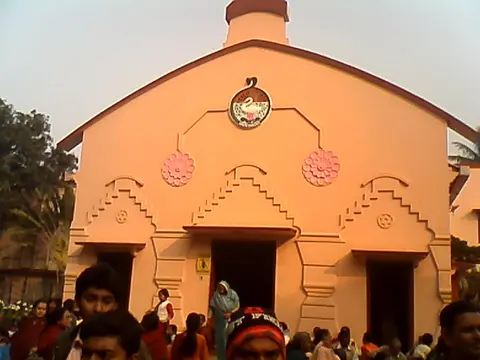
Holy Mother Sarada Devi
Wife and disciple of Ramakrishna Paramahamsa, Sarada Devi came to be called the Sangha Janani — the mother of all.
See it on the Kaal Chakra →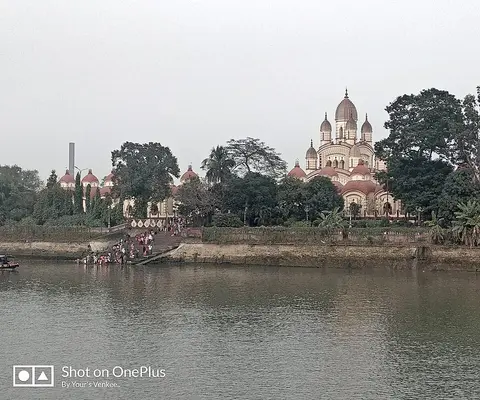
Dakshineswar Kali Temple
Rani Rashmoni built the temple of Mother Bhavatarini Kali on the Ganga, where Ramakrishna Paramahamsa became the priest.
See it on the Kaal Chakra →Swami Samarth of Akkalkot
Revered as an avatar of Dattatreya, Swami Samarth lived at Akkalkot from 1856 to 1878; his words: fear not, I am behind you.
See it on the Kaal Chakra →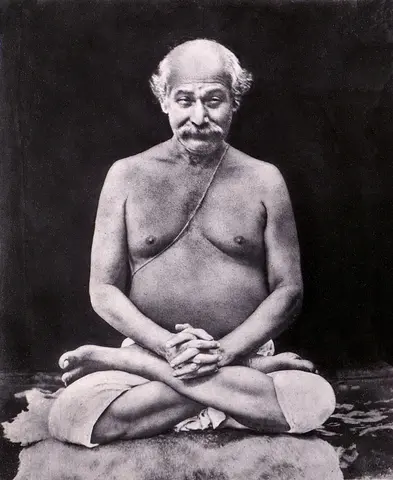
Lahiri Mahasaya and Kriya Yoga
After his initiation into Kriya Yoga by Mahavatar Babaji in the Himalaya, Lahiri Mahasaya taught it while living as a householder.
See it on the Kaal Chakra →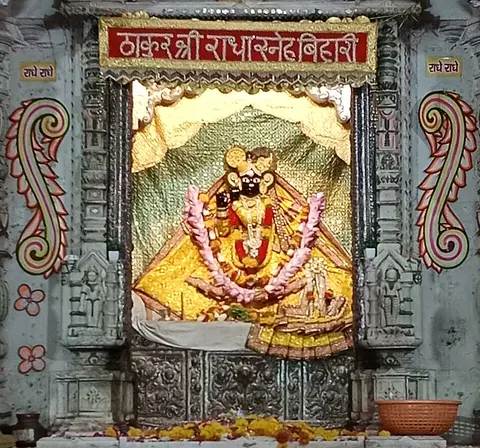
Banke Bihari Temple, Vrindavan
The present temple of Thakur Banke Bihari, who appeared to Swami Haridas, was built in 1864 CE.
See it on the Kaal Chakra →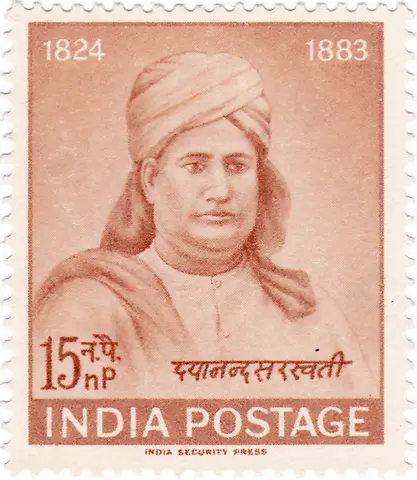
Swami Dayananda and the Arya Samaj
Swami Dayananda Saraswati founded the Arya Samaj in Mumbai in 1875 and gave the call: back to the Vedas.
See it on the Kaal Chakra →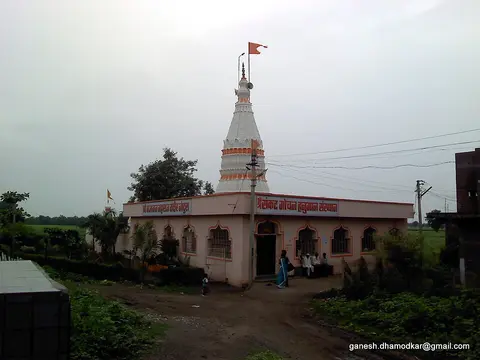
Gajanan Maharaj, Shegaon
On 23 February 1878 an avadhuta was seen in Shegaon eating food from a discarded leaf plate — he came to be known as Gajanan Maharaj.
See it on the Kaal Chakra →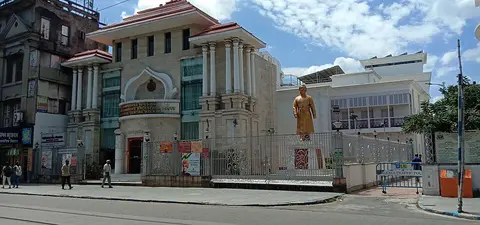
Swami Vivekananda — Chicago
At the 1893 World's Parliament of Religions, Swami Vivekananda's "Sisters and Brothers of America" carried India's message to the world.
See it on the Kaal Chakra →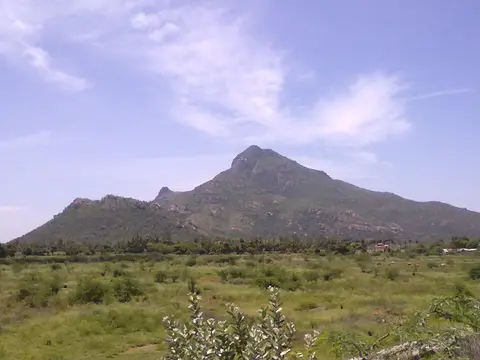
Ramana Maharshi and Arunachala
Sixteen-year-old Venkataraman awoke to the Self through an experience of death; in 1896 he came to Arunachala and stayed there all his life.
See it on the Kaal Chakra →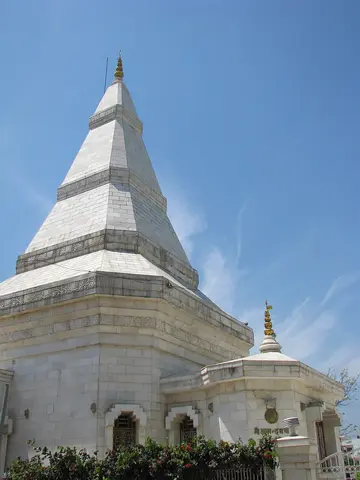
Anandamayi Ma
Born in Bengal, Anandamayi Ma entered states of samadhi from childhood. Her ashrams grew up across the country.
See it on the Kaal Chakra →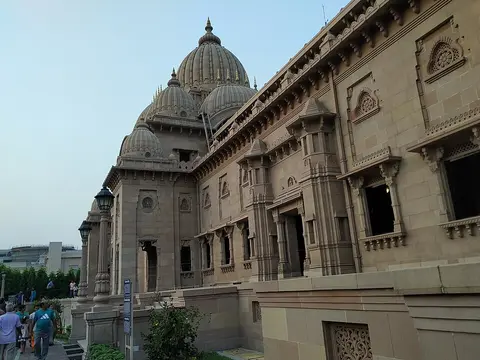
Belur Math
Swami Vivekananda founded Belur Math on the Ganga as the headquarters of the Ramakrishna Math and Mission.
See it on the Kaal Chakra →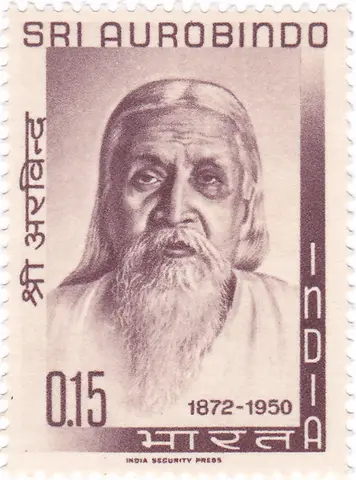
Sri Aurobindo, Puducherry
The revolutionary Aurobindo Ghose came to Puducherry in 1910, turned fully to yoga and gave the path of Integral Yoga.
See it on the Kaal Chakra →Bamakhepa of Tarapith
Bamakhepa, devoted to Mother Tara, practised in the cremation ground of Tarapith; people called him the Mother's mad son.
See it on the Kaal Chakra →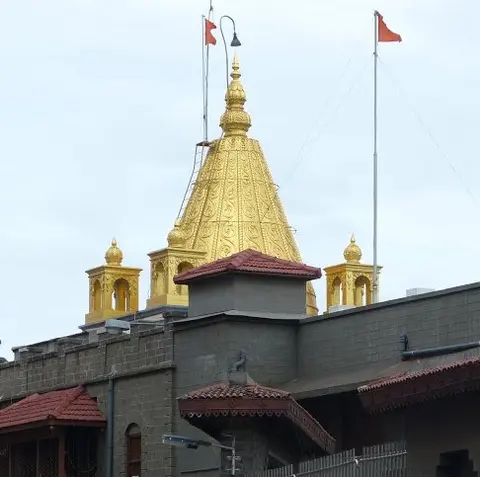
Sai Baba of Shirdi
Sai Baba of Shirdi taught shraddha and saburi — faith and patience. He took samadhi on Vijayadashami in 1918.
See it on the Kaal Chakra →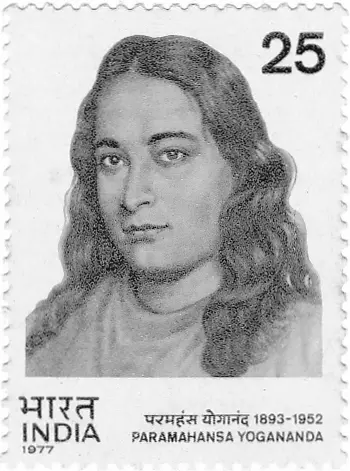
Paramahansa Yogananda
In 1920 Yogananda went to America and carried Kriya Yoga to the West. His Autobiography of a Yogi is read across the world.
See it on the Kaal Chakra →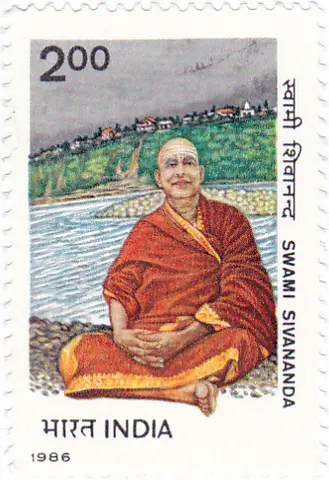
Swami Sivananda, Rishikesh
A doctor turned sannyasi, Swami Sivananda founded the Divine Life Society in Rishikesh in 1936 — serve, love, give, meditate.
See it on the Kaal Chakra →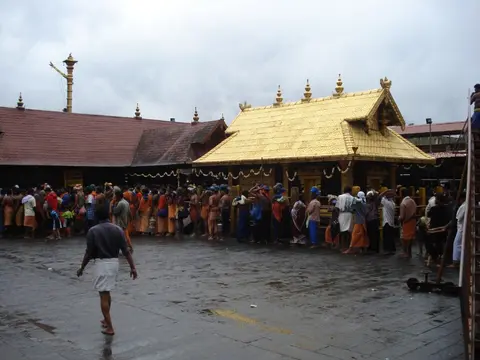
Ayyappa of Sabarimala
The temple of Lord Ayyappa in the forests of the Western Ghats. Rebuilt after the 1950 fire; devotees come after a 41-day vow.
See it on the Kaal Chakra →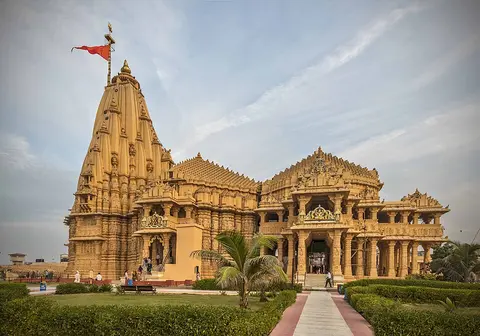
Somnath Temple Rebuilt
Somnath, the first Jyotirlinga, was broken and rebuilt many times. A new temple was built after Independence and consecrated in 1951.
See it on the Kaal Chakra →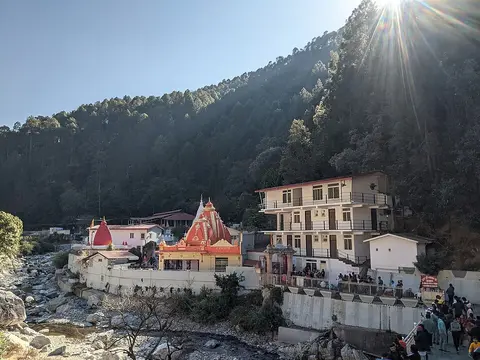
Neem Karoli Baba and Kainchi Dham
The Hanuman devotee Neem Karoli Baba founded Kainchi Dham on 15 June 1964; a bhandara is held on this day every year.
See it on the Kaal Chakra →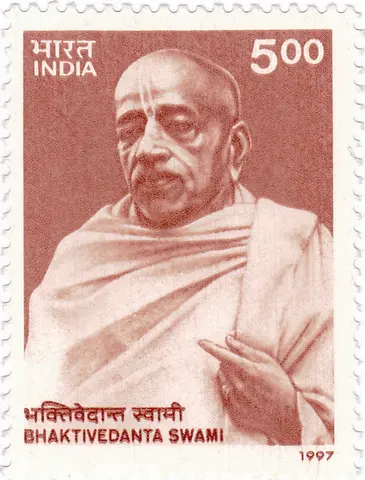
Srila Prabhupada and ISKCON
Arriving in America at the age of seventy, A.C. Bhaktivedanta Swami Prabhupada founded ISKCON in 1966.
See it on the Kaal Chakra →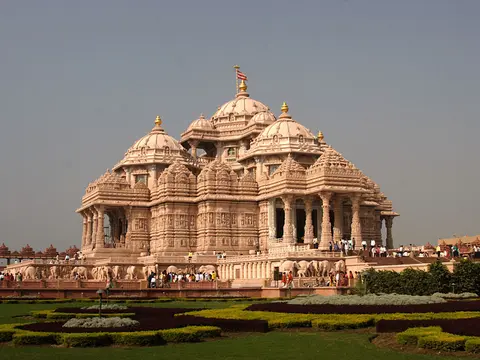
Swaminarayan Akshardham, Delhi
This vast stone temple dedicated to Bhagwan Swaminarayan opened in 2005.
See it on the Kaal Chakra →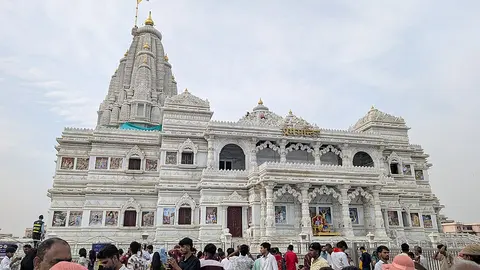
Prem Mandir, Vrindavan
A white marble temple of Radha-Krishna and Sita-Ram built by Jagadguru Kripalu Maharaj, opened in 2012.
See it on the Kaal Chakra →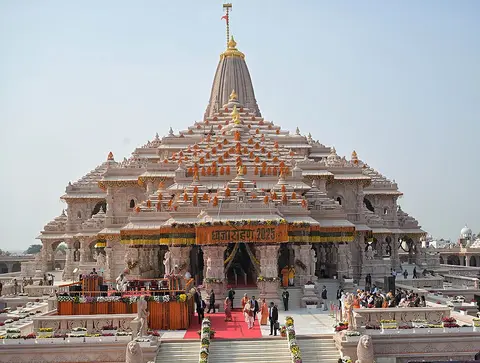
Pran Pratishtha of Shri Ram Lalla, Ayodhya
On 22 January 2024, Shri Ram Lalla was consecrated in the new Ram Mandir at Ayodhya.
See it on the Kaal Chakra →
You are here — the prophecies ahead (the future of Kali Yuga and Kalki)
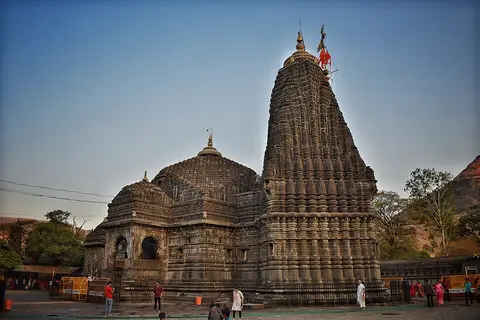
Nashik–Trimbakeshwar Kumbh
In 2027 the Simhastha Kumbh's Amrit Snan will be held on the Godavari at Nashik and Trimbakeshwar.
See it on the Kaal Chakra →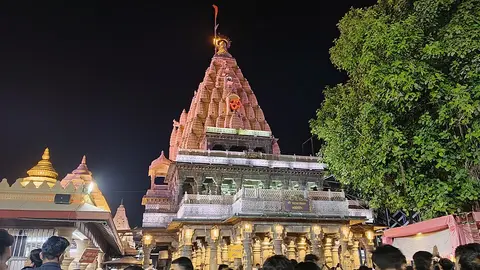
Ujjain Simhastha Kumbh
In 2028 the Simhastha Kumbh will be held on the Kshipra at Ujjain, the city of Mahakal.
See it on the Kaal Chakra →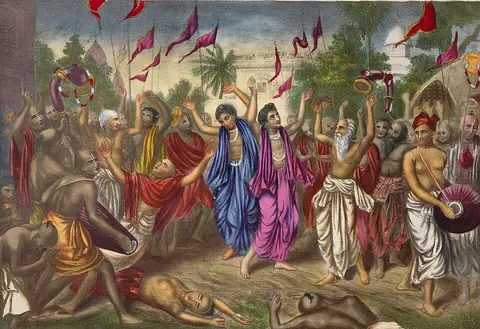
The Age of Naam Sankirtan in Kali Yuga
Tradition says the Lord's naam sankirtan will flourish for about the first 10,000 years of Kali Yuga.
See it on the Kaal Chakra →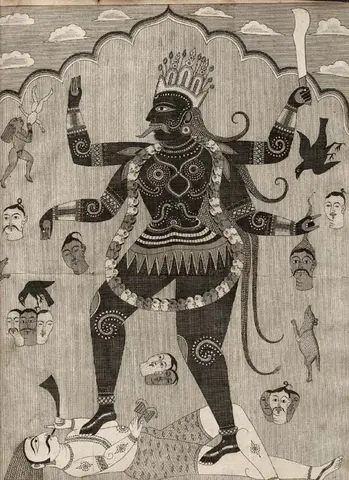
Dharma on One Leg
The Bhagavatam says that in Kali Yuga truth, compassion and austerity will keep declining and dharma will stand on one leg alone.
See it on the Kaal Chakra →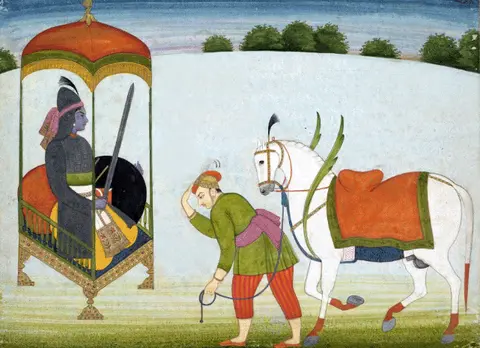
Rulers Will Become Plunderers
A prophecy of the Puranas — instead of protecting the people, rulers will start seizing their wealth.
See it on the Kaal Chakra →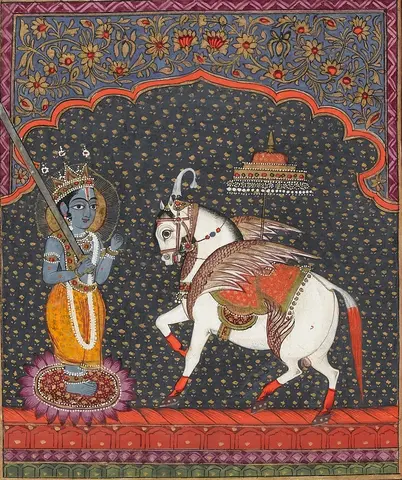
Human Lifespan Will Keep Shrinking
Toward the end of Kali Yuga, human lifespan, strength and memory will keep shrinking.
See it on the Kaal Chakra →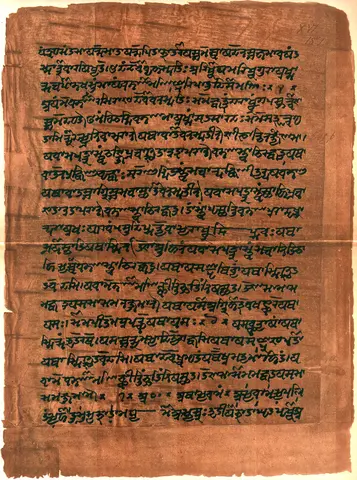
The Vedas Will Be Forgotten
According to the Puranas, Vedic knowledge and the tradition of yajna will slowly begin to vanish.
See it on the Kaal Chakra →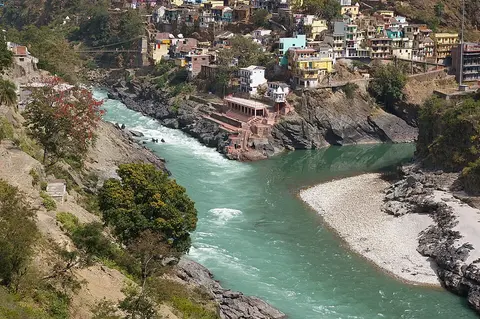
Rivers, Herbs and Rain Will Fail
The Earth's fertility will fall and rain will become irregular — a picture of the last days of Kali Yuga.
See it on the Kaal Chakra →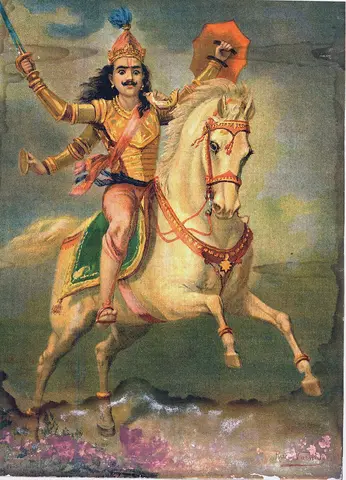
Birth of Kalki in Shambhala
At the end of Kali Yuga, Lord Vishnu will be born as Kalki in the village of Shambhala, in the home of Vishnuyasha.
See it on the Kaal Chakra →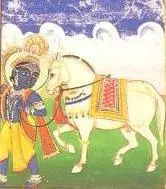
Parashurama Will Teach Kalki
According to the Kalki Purana, the immortal Parashurama will teach Kalki the art of weapons on Mahendra mountain.
See it on the Kaal Chakra →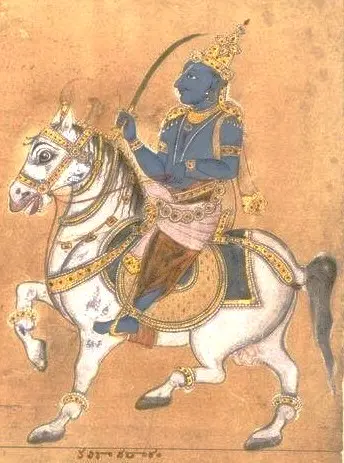
Kalki on the Horse Devadatta
Riding the white horse Devadatta, sword in hand, Lord Kalki will end adharma.
See it on the Kaal Chakra →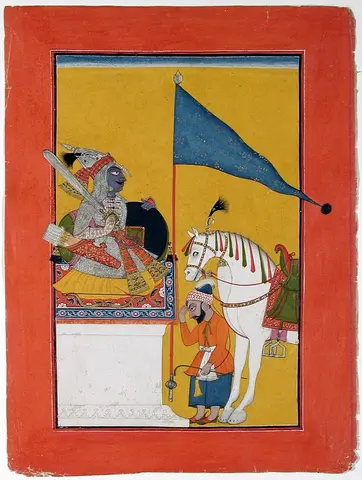
Maru and Devapi Will Return
Kept alive by yogic power, Maru (Solar dynasty) and Devapi (Lunar dynasty) will return from Kalapa village and restart both royal lines.
See it on the Kaal Chakra →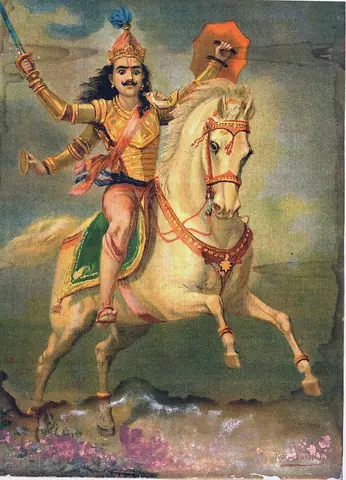
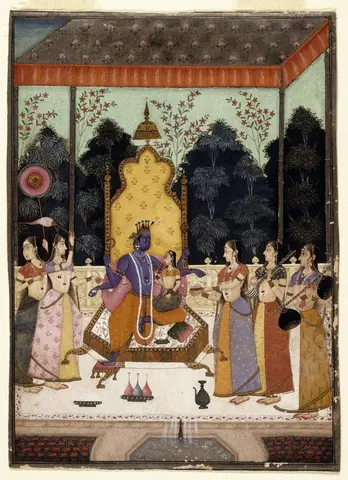
Satya Yuga Returns
Satya Yuga will come again, and the wheel of time will turn anew.
See it on the Kaal Chakra →
Frequently asked questions
What is the Hindu Kaal Chakra?
In Sanatan Dharma, time is not a straight line but a turning wheel. Creation arises, the four yugas — Satya, Treta, Dvapara and Kali — come and go, and then creation begins anew. This is the Kaal Chakra, the wheel of time. Our 3D Kaal Chakra is an interactive timeline built on this idea.
How long are the four yugas?
According to the Puranas, Satya Yuga lasts 1,728,000 years, Treta Yuga 1,296,000 years, Dvapara Yuga 864,000 years and Kali Yuga 432,000 years. Together they make one mahayuga of 4,320,000 years.
Which yuga is running now?
By the traditional reckoning we live in Kali Yuga, which began in 3102 BCE when Shri Krishna left the world. About 5,128 years have passed; we are in the first quarter of Kali Yuga.
What is the Hindu Time Machine?
It is an interactive Kaal Chakra of Sanatan Dharma — a ‘time machine’ where you spin the wheel to reach any event of any yuga, from creation to the Kalki avatar. It works on mobile too.
What are a kalpa and a manvantara?
One day of Lord Brahma is a kalpa, made of a thousand mahayugas and fourteen manvantaras. Our kalpa is the Shveta Varaha Kalpa, and the manvantara is the seventh — the Vaivasvata Manvantara.
How do I use the time machine of Sanatan Dharma?
Open the 3D Kaal Chakra, tap ‘Enter’ and spin the wheel with your finger. Every point is an event; its card shows a picture and a short introduction.
When will the Kalki avatar come?
According to the Bhagavata Purana, at the end of Kali Yuga, when dharma has almost vanished, Lord Vishnu will be born as Kalki in the village of Shambhala, in the home of Vishnuyasha, and Satya Yuga will return.
Which events are in this Kaal Chakra?
From creation and the Varaha avatar to Dhruva, the Samudra Manthan, Narasimha, Vamana, Parashurama, the whole Ramayana, the Mahabharata and the Gita, the great acharyas and saints (from Shankaracharya to Vivekananda), tirthas such as the Jyotirlingas and the Char Dham, and the prophecies of Kali Yuga and the Kalki avatar — more than 150 events, with more being added.